The same pattern keeps returning.
The people or circumstances may change, but something familiar continues to surface.
WORK WITH DAVID
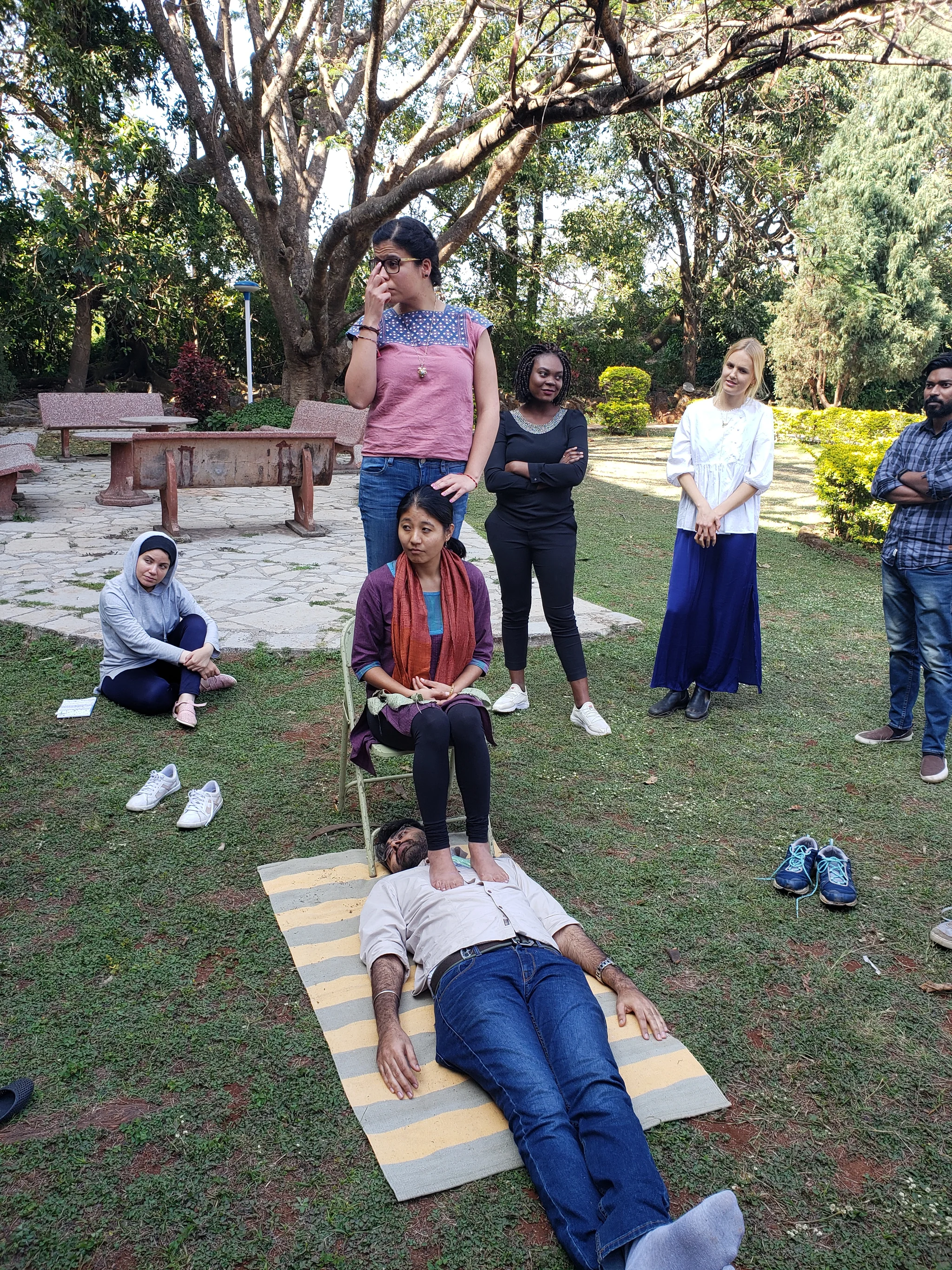
David is invited into moments when something is not working, when a familiar approach is no longer enough, or when people sense there is more possibility than they have yet been able to name or realize.
Sometimes the invitation begins with tension.
Sometimes with transition.
Sometimes with a question.
And sometimes with a sense that something more is possible.
You do not need to know what kind of engagement you need.
The work begins by understanding what the moment is asking for.
WHEN THE FAMILIAR LANGUAGE ISN’T ENOUGH
The same pattern keeps returning.
The people or circumstances may change, but something familiar continues to surface.
A transition has opened new questions.
Leadership, mission, identity, strategy, community, or relationship may be shifting — and the language that worked before no longer seems sufficient.
People can see possibility, but not yet the path toward it.
There may be energy, imagination, or readiness that has not yet found form.
The usual approaches have helped — but something remains untouched.
Mediation, strategy, coaching, facilitation, or dialogue may have moved part of the work without changing the deeper narratives shaping what seems possible.
The moment feels consequential.
Not because everything is broken, but because what happens next matters.
Sometimes the work begins with a problem.
Sometimes it begins with a possibility.
Both can be invitations.
THE WORK CAN BEGIN SMALL
Not every engagement begins with a large convening or a long transformation process.
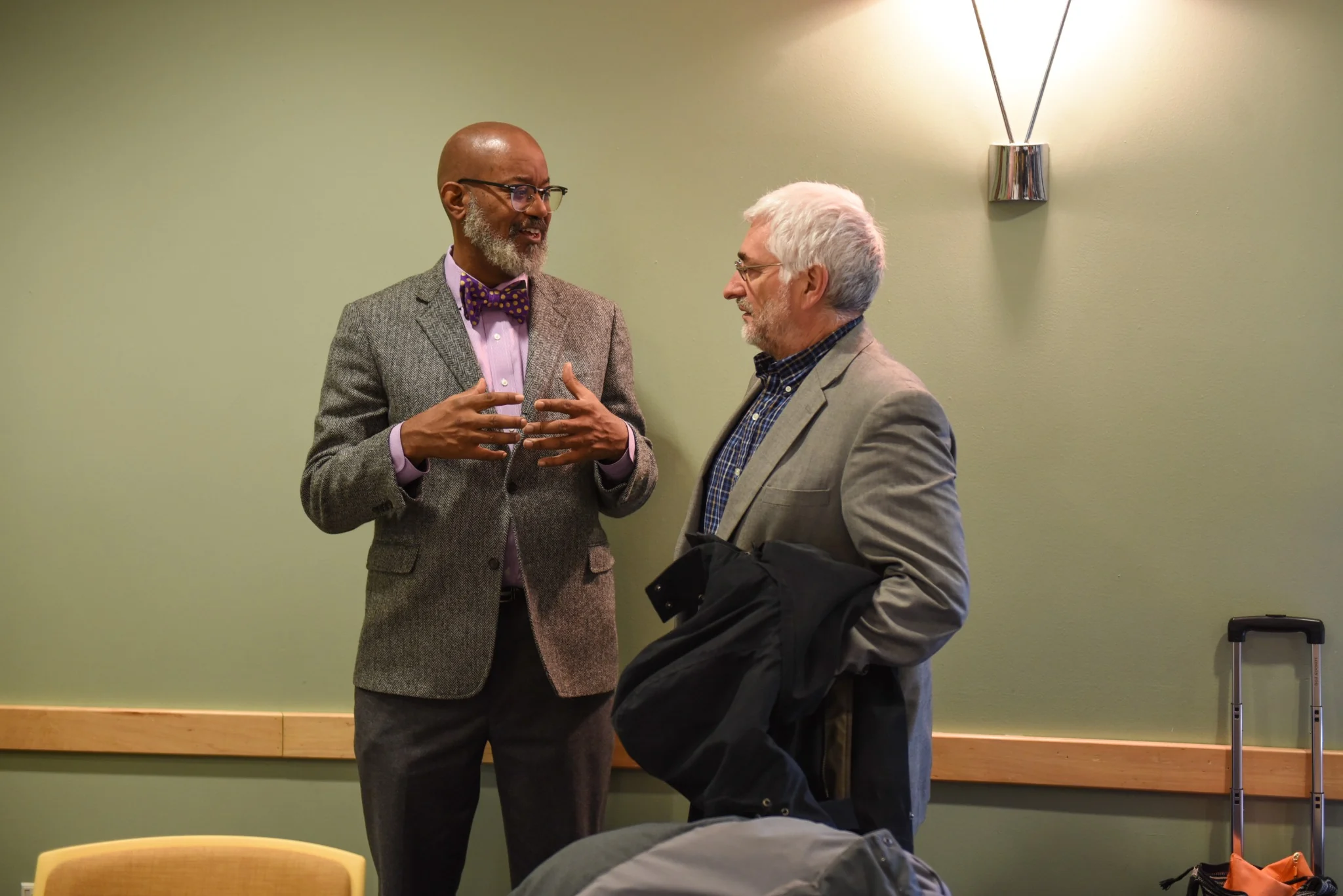
Sometimes the right beginning is a conversation.
A listening session.
A workshop.
A period of analysis.
A talk that helps people hear something differently.
A small gathering that creates enough space to notice what had previously been difficult to see.
Those beginnings can help clarify what is happening, what needs to be named, who should be involved, what may already be trying to emerge — and what the moment may be ready for next.
The beginning can be simple.
What follows should be shaped by what becomes visible.
THE PROCESS IS CUSTOM. THE PRACTICE BEHIND IT IS DEEP.
For more than four decades, David has worked across mediation, facilitation, restorative practice, conflict transformation, dialogue, embodied learning, strategy, systems thinking, community-based work, leadership, law, narrative practice, and other traditions of change.
Some approaches were learned.
Some were adapted.
Some were refined through years of use.
And some emerged from the work itself.
That body of practice matters because the process is not created from nowhere.
David listens for the people, histories, relationships, narratives, structures, readiness, tensions, and possibilities already present — and then draws from the practices that can best serve what the moment requires.
The engagement may be new to the situation in front of him.
It is not improvised from scratch.
The design follows the moment.
The depth behind the design has been built over decades.
DISCERNMENT BEFORE DESIGN
The work does not always move in a straight line.
But several questions shape how David thinks about what should happen next.
There is an old design principle that form follows function. In this work, the more useful question may be what the current form is already designed to produce.
Sometimes a system is not failing. It is successfully producing the outcomes its present structure makes possible.
The deeper work remains an invitation. People have to be willing to examine what the current design is producing before another possibility can be built.
The visible issue may be important without being the whole picture.
Part of the work is listening for the narratives, relationships, histories, structures, hopes, and possibilities shaping the moment — especially the ones that have been difficult to name.
Formal authority matters.
But the person with the title is not always the only person — or even the right person — to lead every part of the work.
The situation itself can help reveal whose leadership is needed.
Transformation cannot belong primarily to the consultant in the room.
The people living inside the work need meaningful ownership, responsibility, and accountability for what is being built.
Change should not simply produce a better process on paper.
The people affected by it should be able to experience greater dignity, participation, belonging, possibility, or shared flourishing.
The work should not disappear when the engagement changes or ends.
Part of the question is always what capacity, leadership, language, relationships, and practices will allow what has begun to keep living.
WAYS TO WORK WITH DAVID
Some need one consequential conversation.
Some need accompaniment over time.
Some need a private place for leadership to think honestly.
Some need learning, greater capacity, or an idea brought into a larger room.
The form follows the work.
There are times when the next conversation matters too much to treat like another meeting.
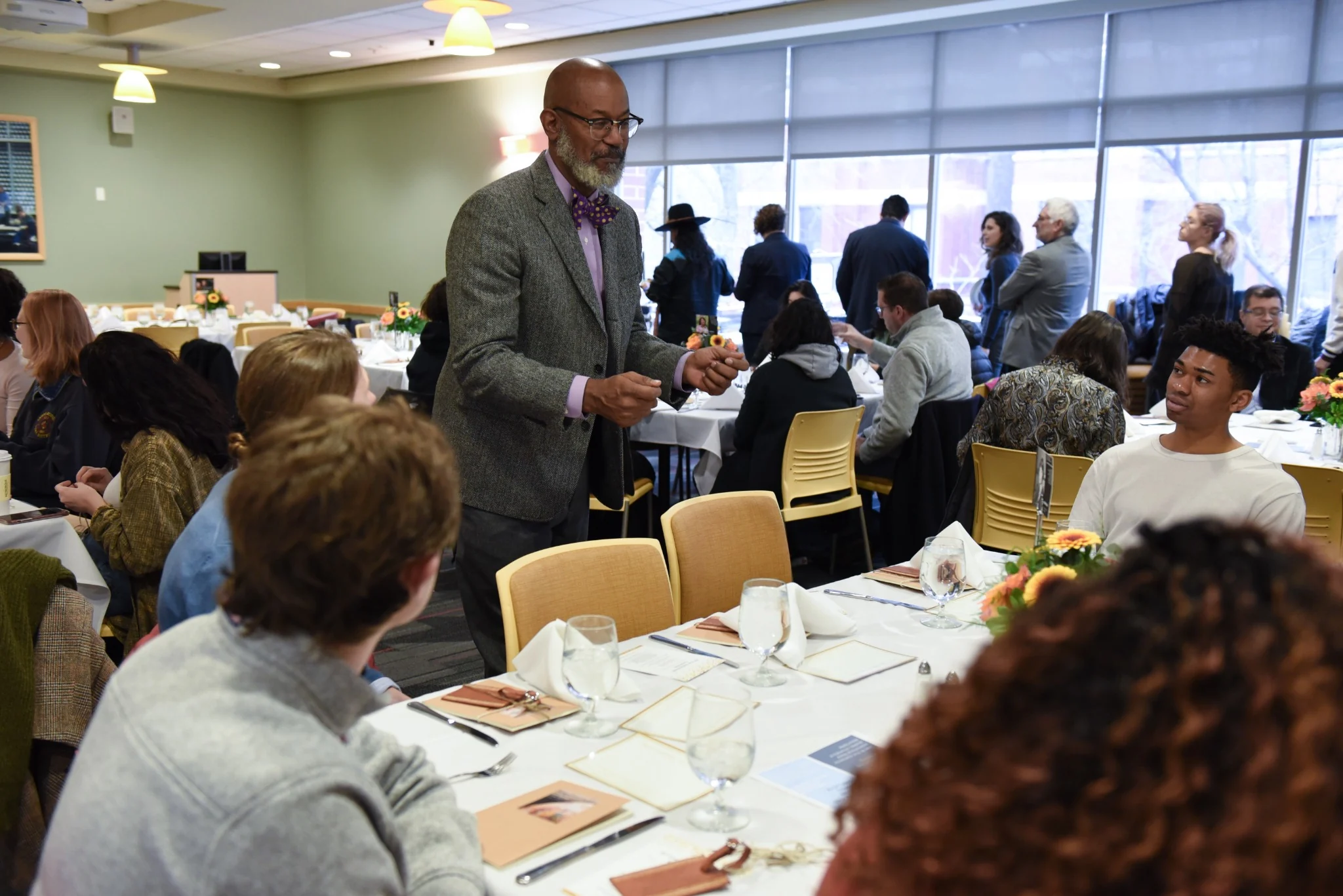
A community, leadership team, coalition, congregation, board, institution, network, or collection of people may need a different kind of space — one capable of holding history, difference, tension, imagination, and consequence at the same time.
David designs and facilitates gatherings that help people engage what has been avoided, misunderstood, inherited, emerging, or difficult to name.
The purpose is not simply to get everyone talking.
It is to create conditions for a different quality of seeing, listening, relationship, and possibility.
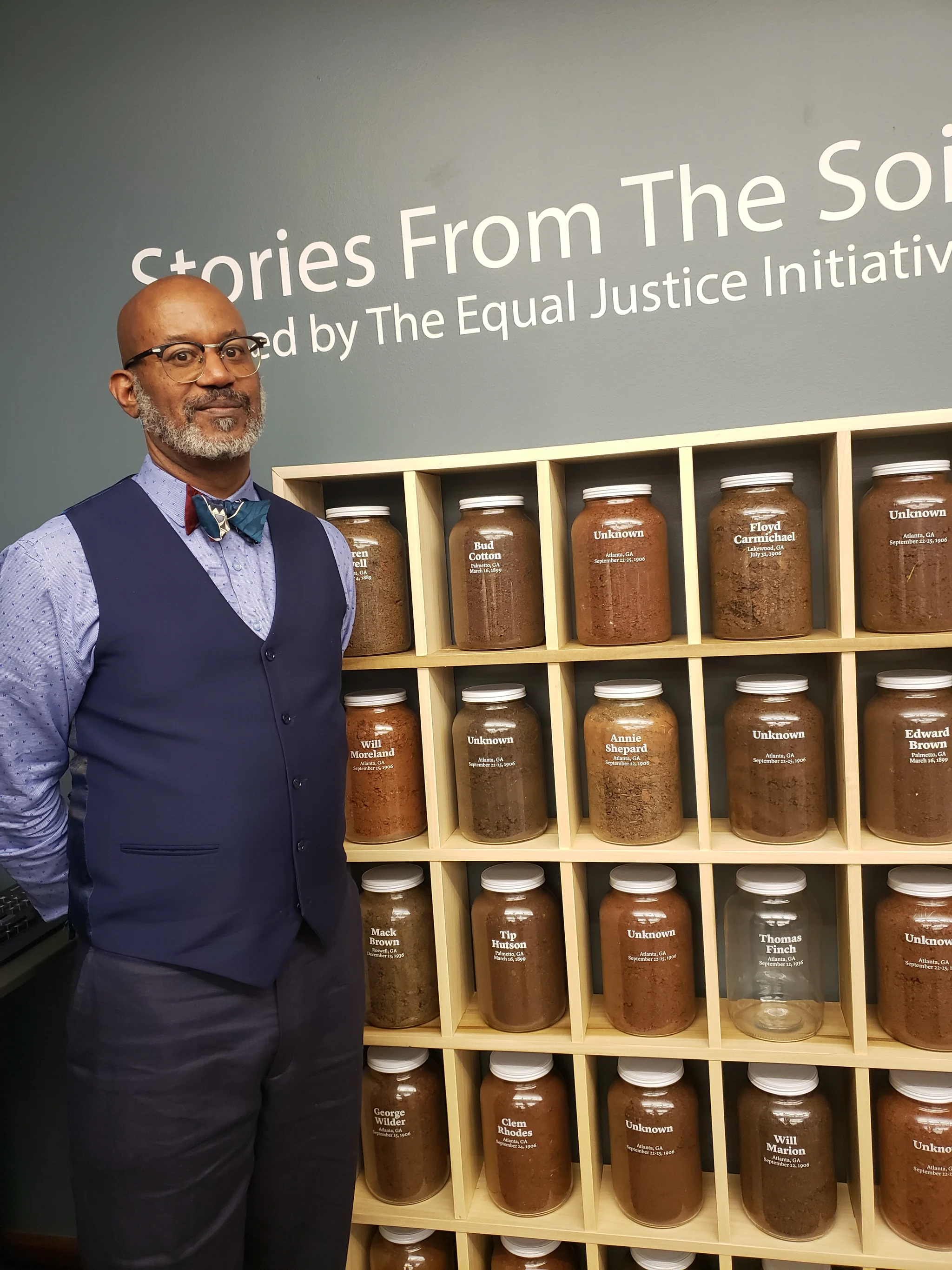
Some moments cannot be held in a single gathering.
Patterns may have histories.
Relationships may need rebuilding.
Old narratives may continue shaping what people believe is possible.
A different future may be imaginable without yet being inhabitable.
In these engagements, David accompanies the work over time — helping people understand what has been inherited, recognize what is shaping the present, create different conditions for relationship and decision-making, and begin building practices that make another future more possible.
The objective is not a perfectly settled destination.
It is a stronger basis from which people can continue the work together.
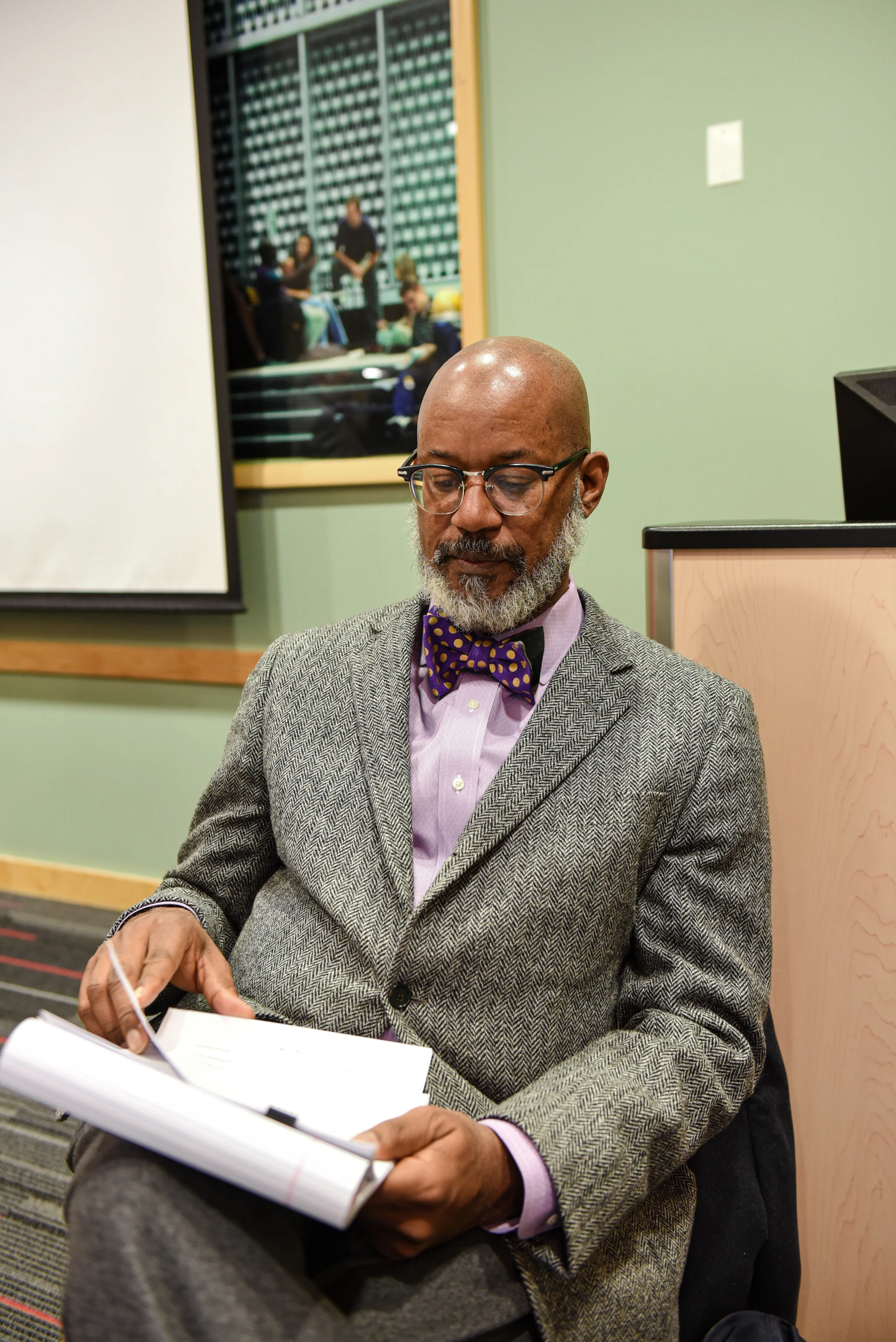
Some forms of responsibility are difficult to carry publicly.
David works privately with leaders who need a thinking partner capable of holding history, power, relationship, narrative, consequence, uncertainty, and possibility at the same time.
This is not simply executive coaching.
The question may be less:
How do I become a better leader for this moment?
and more:
What is this moment asking me to see, carry, release, or make possible?
Where might leadership have blind spots that make it difficult to fully inhabit what is possible?
Advisory work can create space to examine the system around the decision, the stories shaping interpretation, the responsibilities others may not fully see, and the consequences different choices may carry.
Sometimes the most important part of an engagement is helping the people involved build enough capacity to carry the work forward themselves.
That may mean strengthening how people listen, analyze what is happening, recognize patterns, hold difficult conversations, engage narrative, respond to emerging challenges, or create practices that can continue over time.
CounterStories can help develop the shared language, skills, and practices needed for the work to continue beyond a particular engagement.
The goal is not dependence on David.
It is greater capacity among the people who will still be there when he leaves.
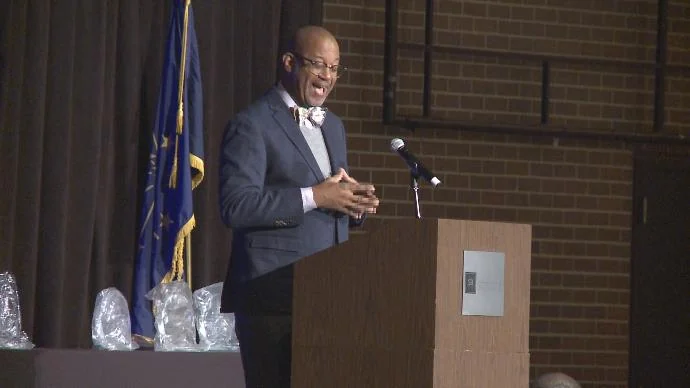
Speaking may take the form of a keynote, conversation, workshop, facilitated learning experience, panel, or the beginning of something deeper.
David brings ideas around narrative, transformation, conflict, memory, dignity, justice, leadership, reconciliation, belonging, shared flourishing, and shared futures into rooms where people are ready to think differently about what may be possible.
Sometimes a talk stands on its own.
Sometimes it gives people language for something they have been sensing.
And sometimes it creates an opening for the next conversation.
SOMETIMES THE TENSION IS INFORMATION
It may also be carrying information about what is trying to emerge.
Two ideas may be attempting to occupy the same space.
A familiar structure may no longer be able to hold what people are becoming.
A tension that initially feels disruptive may be revealing a possibility that has not yet found language.
CounterStories is not only concerned with resolving what is present.
Sometimes the work is to notice what the current moment is revealing — an unmet possibility, an emerging idea, a different relationship, a new form of leadership, or a future people have not yet learned how to imagine together.
What is trying to become possible here — and what would help us make room for it?
DAVID AS A CONVERSATION PARTNER
He helps listen for what is happening, shape the process, and create a container in which the people involved can increasingly carry and lead the work themselves.
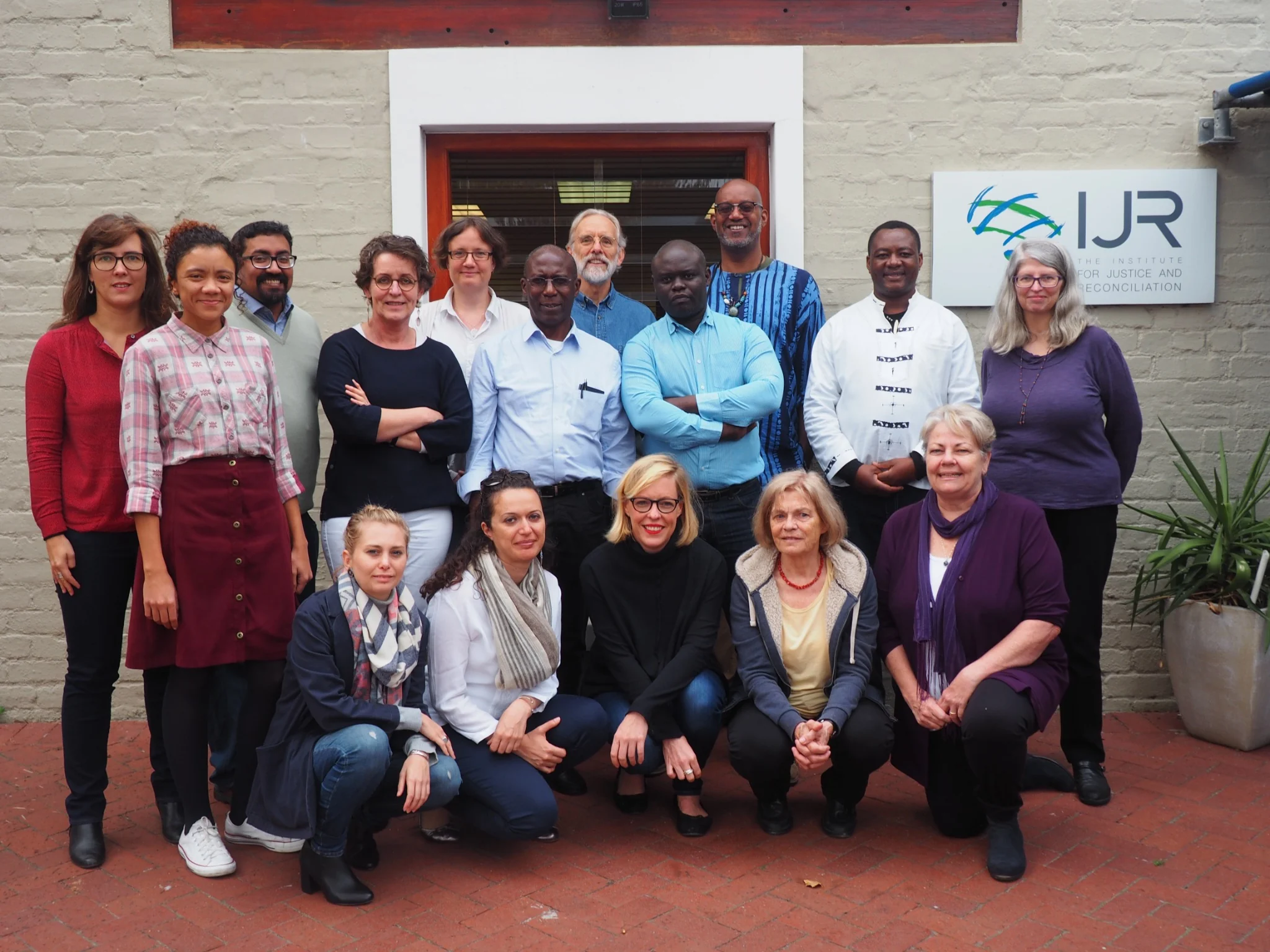
Sometimes the work can be held by David alone.
Sometimes it benefits from additional expertise, perspective, cultural knowledge, listening, facilitation capacity, research, ritual, trauma-informed support, or other forms of contribution.
When that happens, David brings trusted collaborators or project partners into the process around the needs of the particular engagement.
The roles may differ because the needs differ.
The team follows the work — not the other way around.
SEE THE THINKING IN PRACTICE
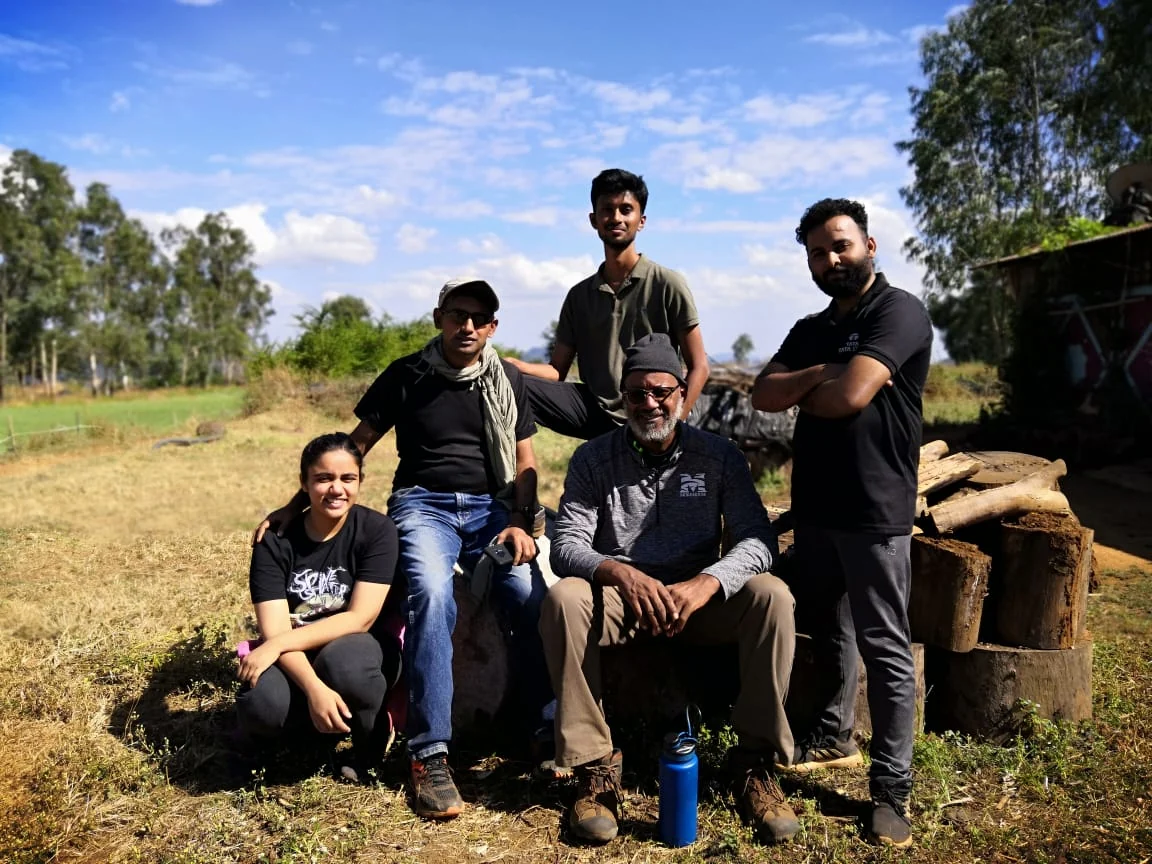
CounterStories does not look the same in every context because the contexts are not the same.
The Stories show how David listens for what may lie beneath the visible issue, why one approach may be chosen over another, what the work actually looked like, and what became possible because of it.
They are not simply examples of past engagements.
They are places to see the thinking become practice.
PRACTICAL QUESTIONS
No — and I would rather you didn’t feel responsible for diagnosing that before we speak.
Most people arrive with a moment, a question, a tension, an opportunity, or something they are beginning to notice.
We can start there.
Part of my work is helping us understand what the situation is actually asking for — and whether that calls for a conversation, a convening, advisory work, skill building, a deeper process, or something else entirely.
Sometimes. But the better question is: what does the work require?
CounterStories is intentionally a David-led practice, which means I stay closely involved in the thinking, design, relationships, and direction of the engagement.
When the work calls for additional expertise, perspective, or capacity, I bring trusted collaborators into the process.
I do not build a standing team and then look for work to fit it.
The team follows the work — not the other way around.
Absolutely. Sometimes one conversation is exactly where the work should begin.
A smaller beginning can help us understand what is happening, what people are ready for, what may already be emerging, and whether anything else is needed.
Some engagements remain contained.
Others reveal a deeper opportunity.
We do not have to decide that before we begin.
What if agreement about the problem is not the first thing we need?
People can live inside the same moment and understand it very differently.
Those differences are often part of the information.
Sometimes the work begins by slowing down enough to hear how differently the current reality is being experienced — and what those different understandings may be trying to tell us.
It can. But it does not need to.
Sometimes a talk is simply a talk.
Sometimes a workshop gives people language they continue using long after I leave.
And sometimes something happens in the room that makes a deeper conversation possible.
We can let the next step emerge from what the moment actually calls for.
No. In fact, I would rather we not wait for crisis to become the only invitation.
Sometimes people call because something has become difficult.
Other times, they sense there is more possibility than they are currently able to access — a deeper form of collaboration, a more honest relationship, a different way of leading, a new possibility for community, or a future they can almost see but have not yet learned how to build together.
Conflict can invite the work.
So can possibility.
What if that question deserves a slightly higher bar?
If by DEI we mean a training program, compliance initiative, toolkit, or prescribed set of practices, then no — that is not what CounterStories is.
But many of the deeper aspirations behind the best DEI work matter deeply to me: belonging, dignity, meaningful participation, relationship across difference, and the possibility of sharing responsibility for what comes next.
So I would not describe CounterStories as a DEI practice.
I would say the work sometimes enters territory DEI was trying to help us reach — and asks what it would take to go deeper.
Mediation may have done exactly what it was asked to do.
The question is whether the dispute was the whole story.
Sometimes an issue can be resolved while the histories, narratives, relationships, or structures that helped shape it remain unchanged.
That does not mean mediation failed.
It may mean we are now being asked to work at another layer.
I may still draw from mediation, facilitation, dialogue, strategic thinking, or other practices. The difference is that I am interested in what happens when we also examine the narratives shaping what people believe is possible.
It depends — but “it depends” does not mean there is no discipline behind it.
The work might include interviews, listening sessions, facilitated conversations, leadership advisory, workshops, analysis, embodied exercises, mediation, narrative inquiry, teaching, convenings, or practices drawn from other traditions I have developed, learned, adapted, and refined over decades.
I choose and combine those practices based on what the context requires.
The design changes because the context changes.
The depth behind the design does not.
Then that may be exactly where we begin.
You do not need to arrive with a diagnosis.
Sometimes the first useful thing we can do together is slow down long enough to notice what keeps surfacing, what has been difficult to name, what people are experiencing differently, and what the current language may be preventing us from seeing.
Language does not simply describe what is happening.
Sometimes changing the language changes what becomes possible.
LET’S BEGIN
A problem does not have to be fully named.
A possibility does not have to be fully formed.
If something needs attention — or something feels ready to become possible — tell David what you are noticing.
That is enough to begin.