
STORIES FROM THE WORK

The work leaves
a story behind.

CounterStories enters moments shaped by history, relationship, tension, transition, possibility, and consequence.

The stories collected here offer a closer look at what happened when people began to see the situation differently — and what became possible because of it.

The work gathered here spans David’s career, including experiences that predate CounterStories Consulting. Together, they reflect learnings along the journey — commitments, questions, practices, and relationships that have helped shape the work CounterStories carries forward today.

What changed. What was learned. What became possible.

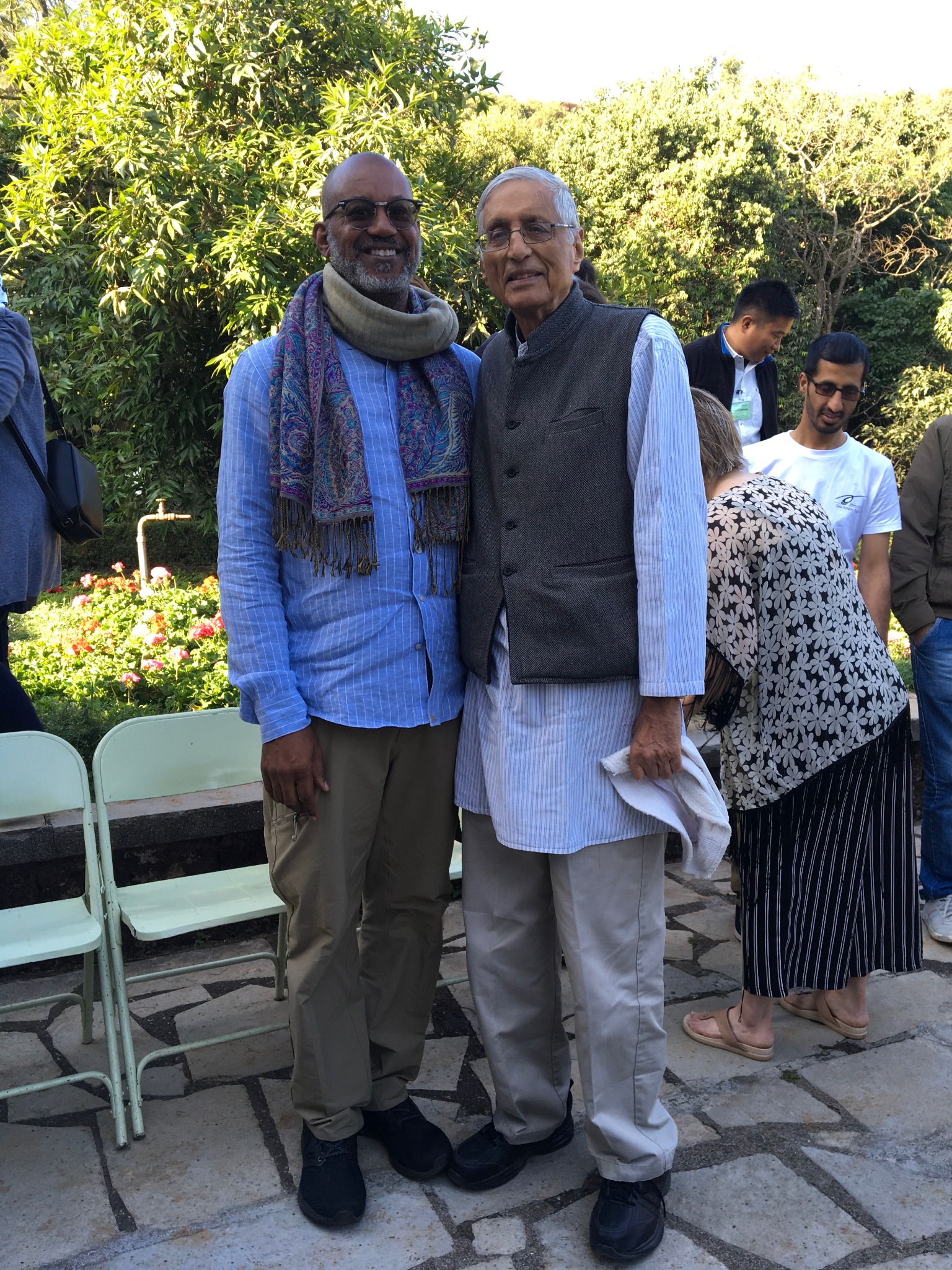
David standing outdoors with another person, with others gathered nearby.

MORE STORIES FROM THE WORK

Different rooms.
Different histories.
Different questions.

Across justice, public policy, faith, higher education, philanthropy, community life, and other contexts, the form of the work changes because the moment changes.

What remains consistent is the attention to narrative, relationship, history, participation, responsibility, and what may become possible next.

02 · Justice & collective healing

Chicago Torture
Justice Center

Healing in the wake of state violence.

Created in the wake of police torture and survivors’ organizing, the Center needed to be more than a clinic. As a founding board member who joined its working board, David helped shape a space for healing, memory, and collective power.

He championed politicized healing: trauma care connected to structural analysis, cultural practice, and organizing. Survivors participated as co-creators, with pathways into facilitation and governance.
03 · National policy

National Dialogue
on Nuclear Waste

Decisions about nuclear waste carried decades of distrust alongside technical risk. As Lead Mediator and Co-Designer, David helped design and facilitate a national dialogue convened by the U.S. League of Women Voters, working with a team of mediators and technical experts.

The process brought technical language into conversation with memory, grief, land, and future generations. It widened participation by historically excluded communities and built trust in the dialogue itself.

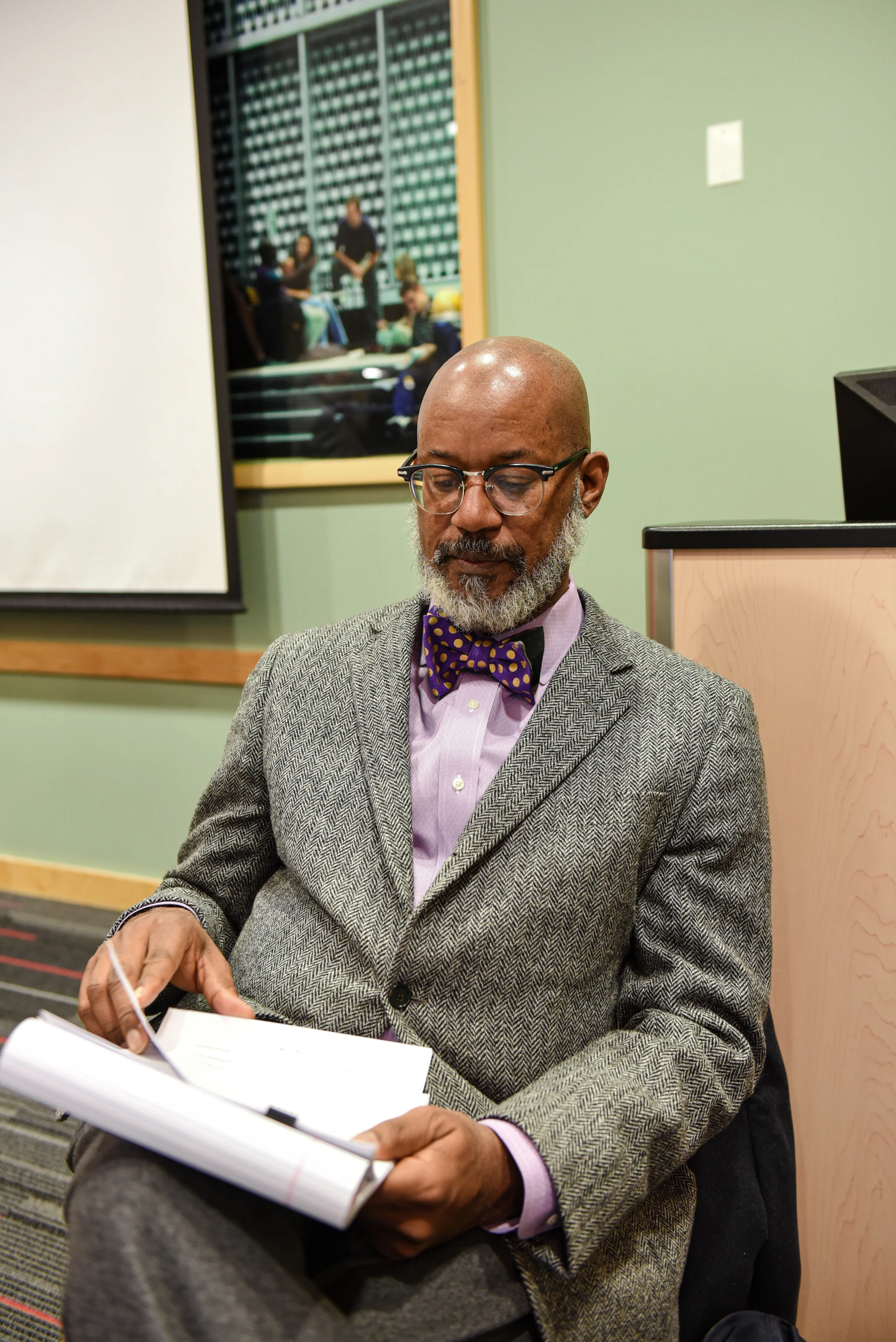
David seated with papers in his hands.

04 · Faith & belonging

Church Narrative Project

Christian Church (Disciples of Christ)

Amid racial injustice, legacy wounds, and eroding trust, David co-designed a five-year, denomination-wide journey with Terri Hord Owens and Yvonne Gilmore.

StoryHours and Transformative Community Conferencing invited people to name harm, witness healing, and examine the gap between professed values and institutional behavior. The stories gathered became a resource for leadership formation.

Reflective portrait; not project documentation.

05 · Higher education & formation of new leaders

University of Notre Dame
Kroc Institute

As Associate Professor of the Practice of Conflict Transformation and Peacebuilding, David taught conflict transformation, trauma healing, and community building through a narrative lens.

He trained students and community leaders in Transformative Community Conferencing and co-led immersive learning in settings of harm and repair. Formation connected personal histories with institutional and public narratives—preparing practitioners to carry that understanding into organizing, ministry, policy, and peacebuilding.

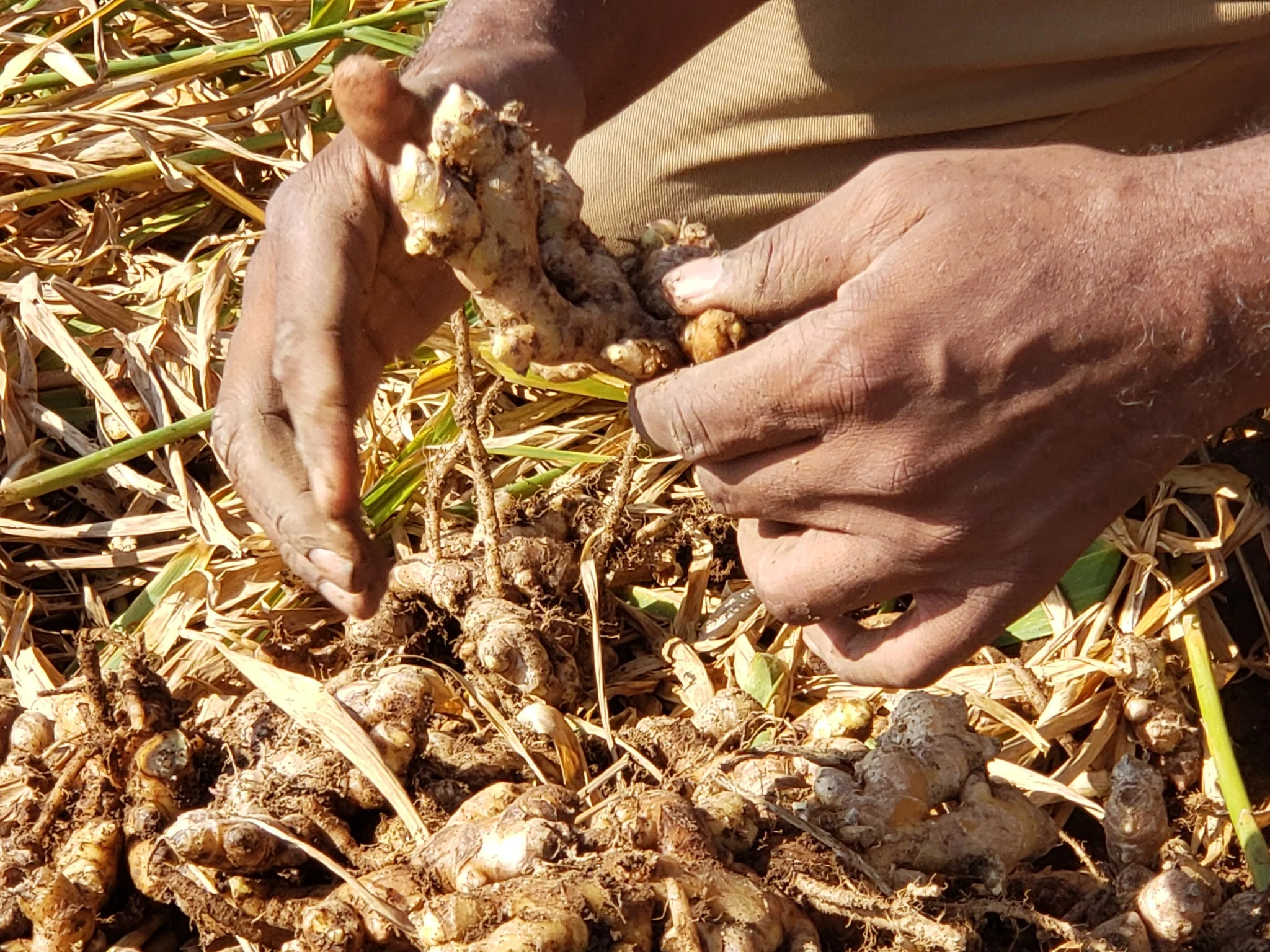
Hands working with soil and plant material; a contextual photograph.

Context photograph from the project library; not documentation of this engagement.

06 · Institutional transformation

Vision Implementation Process

Presbyterian Mission Agency
Presbyterian Church (U.S.A.)

Legacy harm and fractured relationships had opened a gap between the Agency’s stated values and internal culture. David worked with the President and Executive Director to imagine and design how the process could take shape, then partnered with them to convene a Leadership Innovation Team while his team facilitated listening across the Agency’s partner network.

Narrative visioning and examination of organizational memory helped shape a mission framework grounded in truth-telling. Storytelling practices became part of hiring, training, and leadership formation.

SEEING THE WORK DIFFERENTLY

The visible issue is rarely the whole story.

What makes these stories useful is not only what happened.

It is what David noticed, what the moment seemed to require, and how the work changed once people could see more of what was shaping the situation.

The stories are evidence not only of what David has done, but of how he sees.

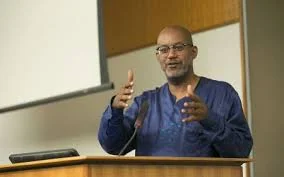
David seated at a table, speaking into a microphone.

BEYOND THE ENGAGEMENT

Some stories become conversations that travel further.

The work does not always end when an engagement does.

Questions raised in one context may become teaching, reflection, writing, dialogue, or ideas that continue moving into other rooms.

Over time, this collection can hold more than completed engagements.

It can become a place for stories, reflections, field learning, video, and ideas that continue growing from the work.

Watch Listen Read

Stories are not decoration.
They are evidence.

They reveal what people believed was happening, what else was shaping the situation, and what became possible when another way of seeing entered the room.

START HERE

Perhaps something in your own context has not been fully seen yet.

You do not need to know what kind of engagement you need before reaching out.

Start with the moment, the question, the possibility, or what you are beginning to notice.