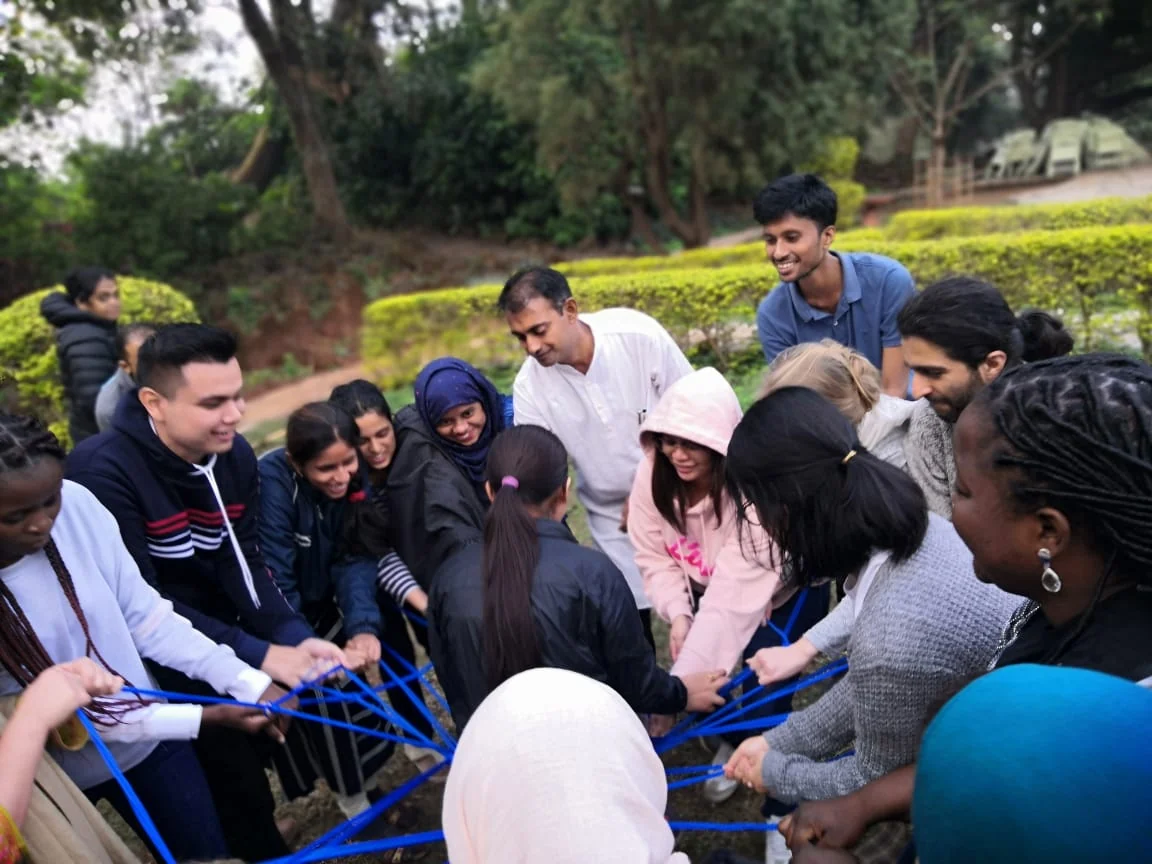
THE WORK
Some conflicts cannot be resolved until the narratives shaping what seems possible begin to change.
CounterStories works with people, communities, institutions, leaders, and other collective spaces carrying histories, relationships, structures, and inherited narratives that continue shaping the present.
Sometimes those patterns surface as conflict.
Sometimes as transition.
Sometimes as exhaustion, misalignment, or a future that feels difficult to imagine.
And sometimes there is simply a sense that more is possible than the current language can hold.
The visible issue may be where the work appears.
It is not always where the work begins.
THE NARRATIVES SHAPING WHAT SEEMS POSSIBLE
You know the current story is not leading toward the flourishing you are trying to make possible.
The harm may not have started with you.
The tension may not have started with you.
The limits may not have been created by the people currently being asked to move beyond them.
But inherited narratives still shape what people believe is reasonable, safe, possible, permitted, or worth pursuing.
Over time, those narratives can become embedded in systems and structures, policies and procedures, and people’s day-to-day habits.
They shape what gets protected.
What gets avoided.
Whose memory matters.
Who is expected to lead — and which voices cannot be heard or honored.
What kinds of futures can even be imagined.
And because those narratives often operate quietly, we may mistake their consequences for the problem itself.
CounterStories begins by listening for the narratives shaping what people can currently see.
RECKON
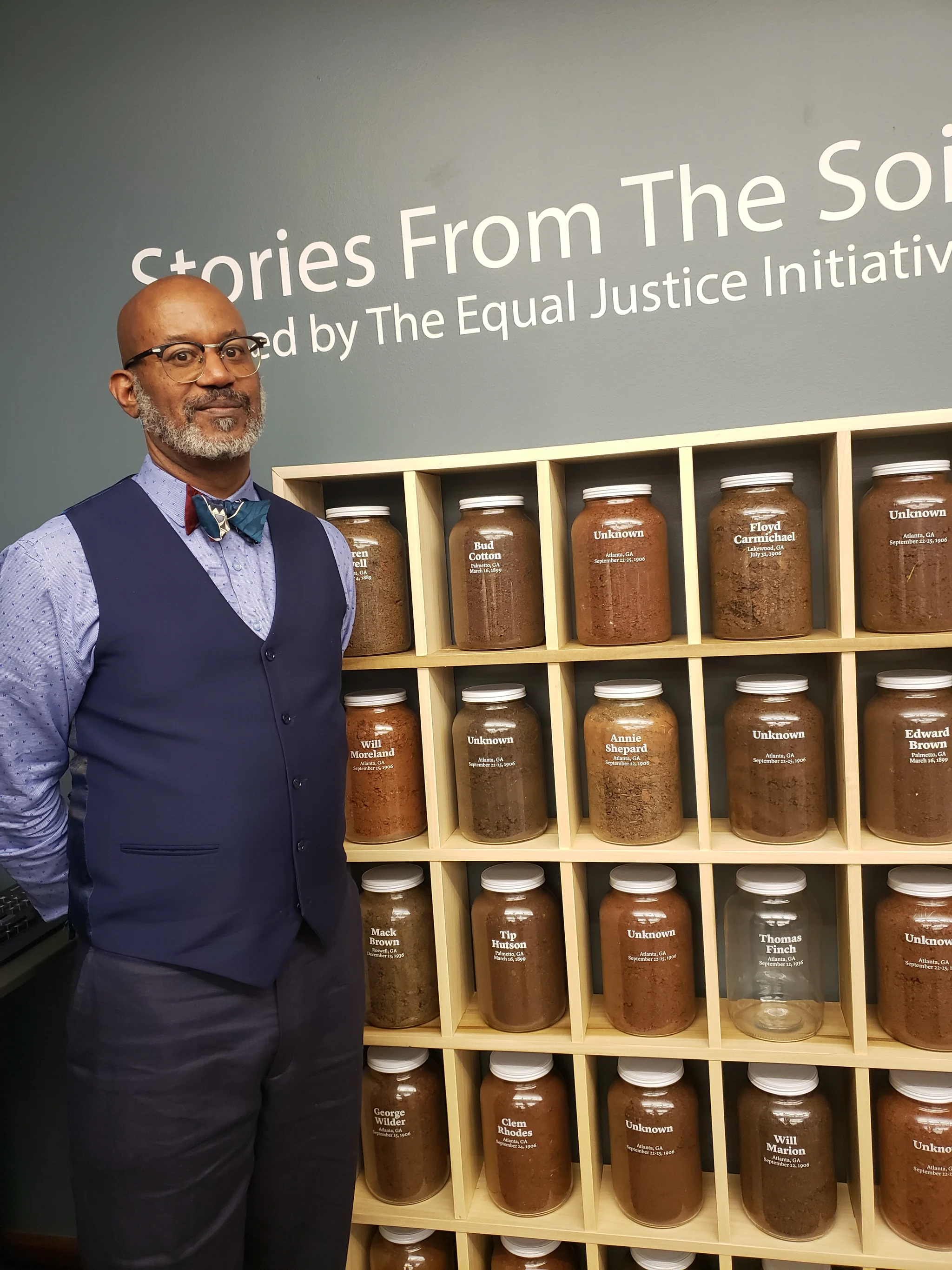
Legacy Reckoning
What has been inherited — and what is it still asking of us?
Every community, institution, relationship, and shared endeavor inherits more than policies or traditions.
We inherit stories about who belongs.
What deserves protection.
What cannot be spoken.
What counts as success.
What must be remembered.
What is easier to forget.
And what people have learned to expect from one another.
Reckoning is not about remaining trapped in the past.
It is about understanding enough of what has been carried forward to distinguish:
what still holds,
what needs to be acknowledged,
what may require repair,
what should be released,
and what deserves to be carried forward.
History matters because it continues participating in the present whether we name it or not.
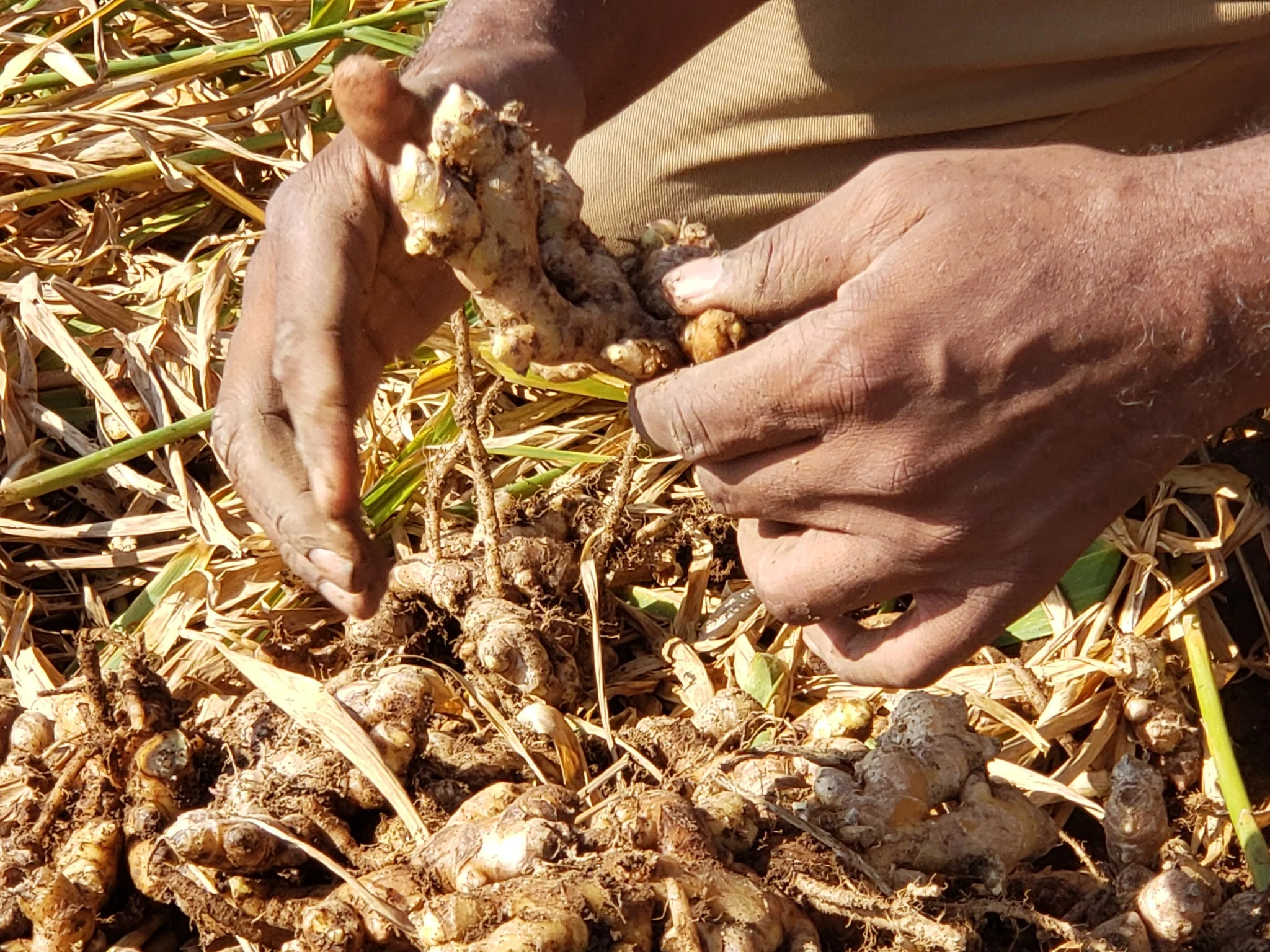
OPEN
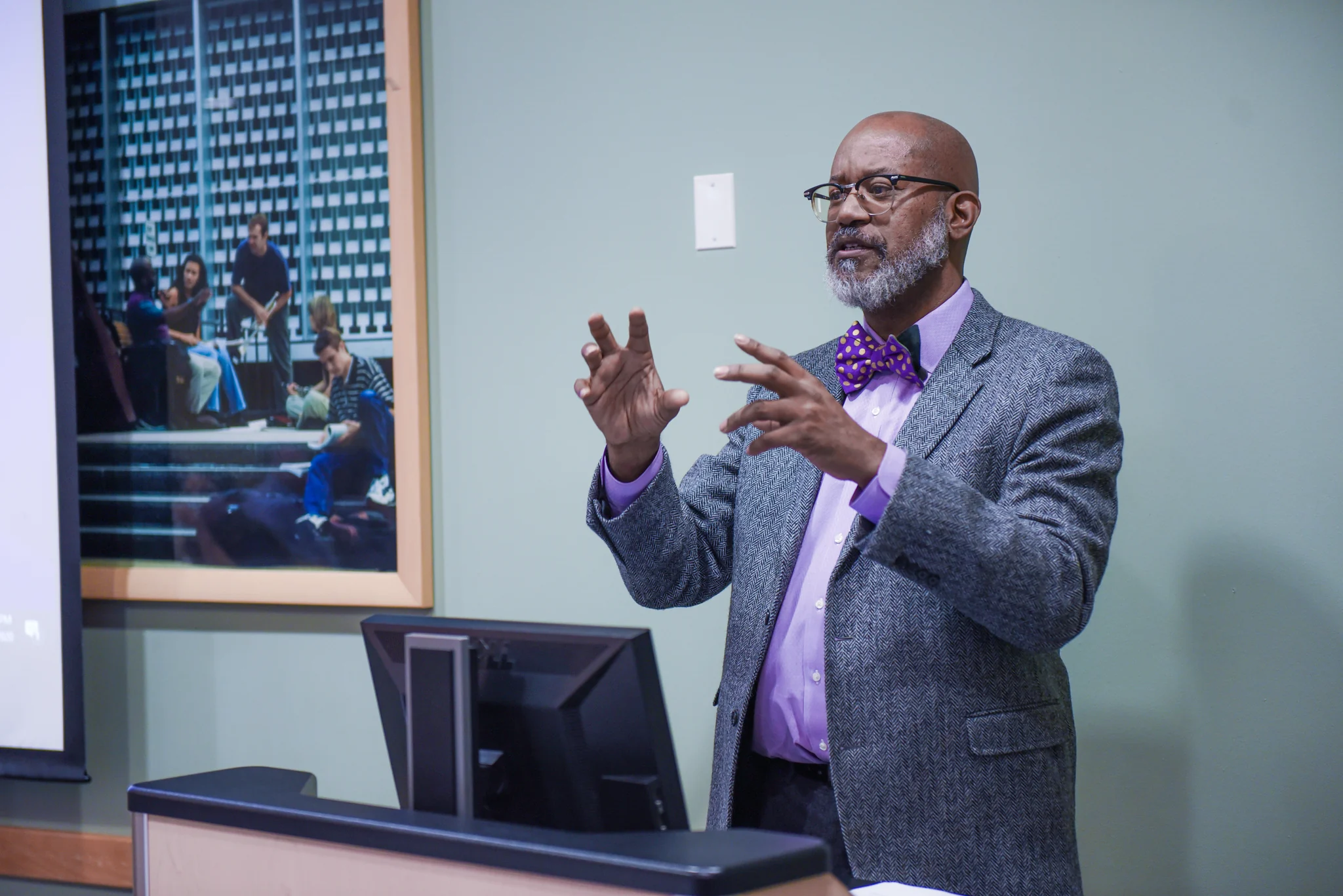
Conflict That Opens, Not Closes
What if the tension is carrying information?
Conflict is often treated as something to contain, resolve, or move beyond as quickly as possible.
Sometimes that is appropriate.
But sometimes conflict is not simply evidence that something has gone wrong.
It may be revealing a contradiction, an unmet possibility, a competing value, an inherited structure, or an idea that has not yet found enough room to emerge.
CounterStories asks what becomes possible when we stay with the tension long enough to understand what it is carrying.
This is not conflict for conflict’s sake.
It is creating conditions where people can:
- speak more truthfully
- listen with greater capacity
- encounter what has been avoided or defended against
- recognize what the conflict may be revealing
- and begin making room for what has not yet been possible
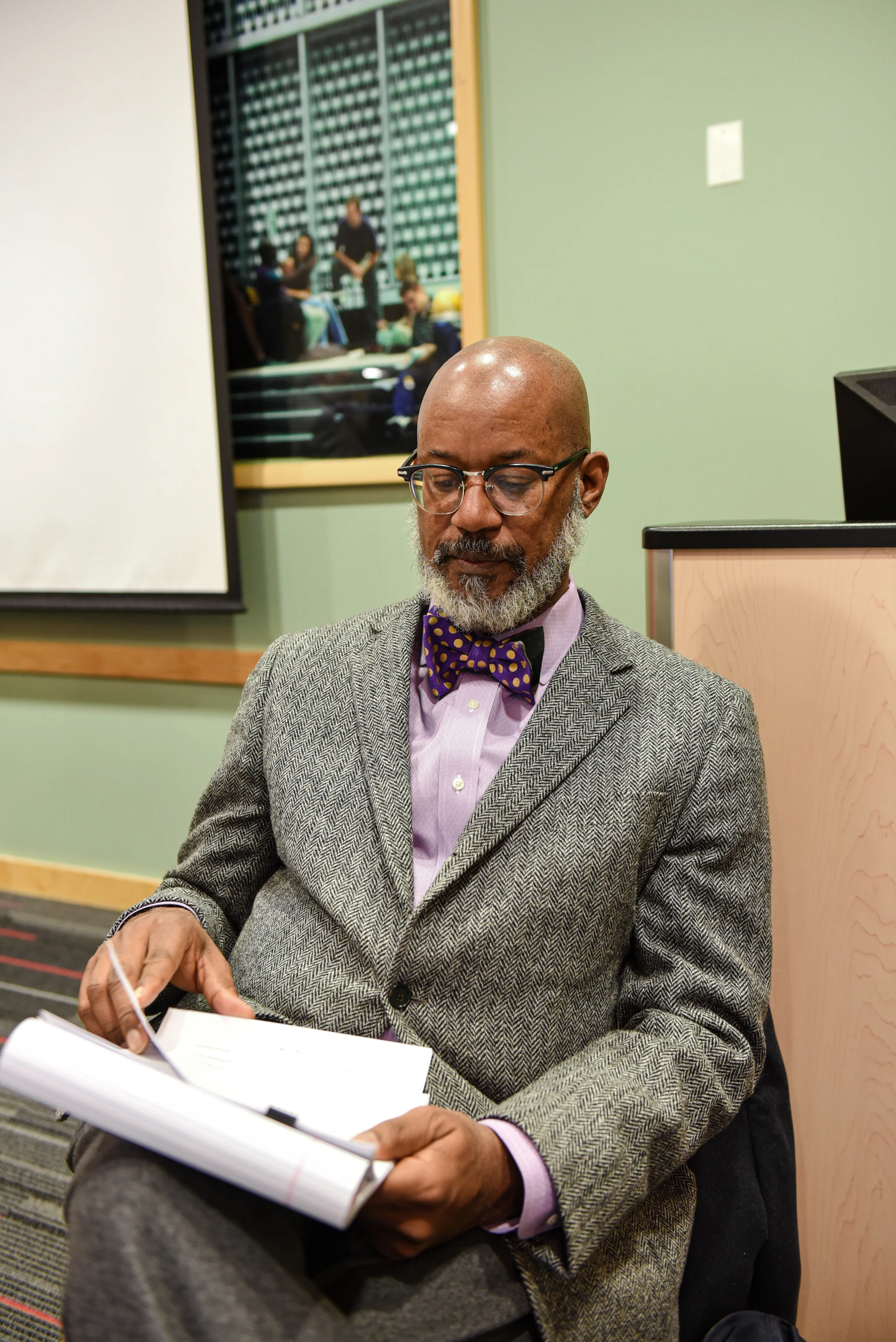
The goal is not a room without tension.
It is a room capable of learning from it.
IMAGINE
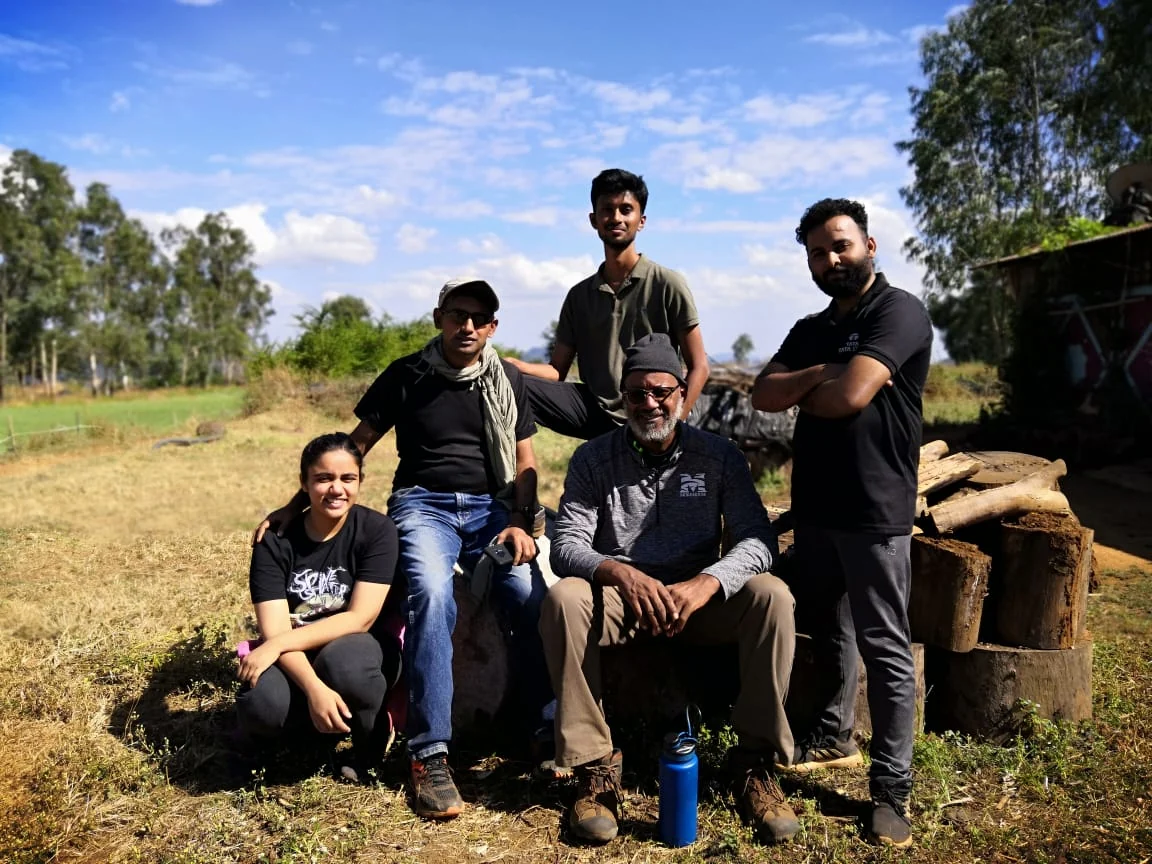
A Narrative of a Shared Future
Not a future without struggle — a future people can struggle toward together.
Transformation cannot end with a better diagnosis of the past.
At some point, people need language for a future they are willing to participate in together.
That future does not require everyone to agree about everything.
It does not erase difference.
It does not end struggle.
What it can offer is a stronger basis for shared struggle going forward — enough shared meaning, trust, belonging, and possibility for people to continue building together.
A preferred future begins to become possible when people can recognize themselves within it.
When their histories have been heard.
When dignity is not merely promised but practiced.
When relationship becomes trustworthy enough to carry disagreement.
When flourishing is imagined as something that can be shared rather than competed for.
Memory matters.
But memory cannot be the only author of the future.
HOW WE BEGIN
A process built for the moment in front of us.
There is no single CounterStories process applied to every context.
David begins by listening for:
- what is happening
- what has been inherited
- what people are experiencing differently
- what has already been tried
- what remains unnamed
- what is emerging
- and what the moment may be ready for next
The process is shaped around the people and conditions involved.
The design may include listening, dialogue, facilitation, mediation, embodied practice, leadership conversations, analysis, teaching, restorative practices, or other approaches drawn from decades of practice.
The process is custom.
The practice behind it is deep.
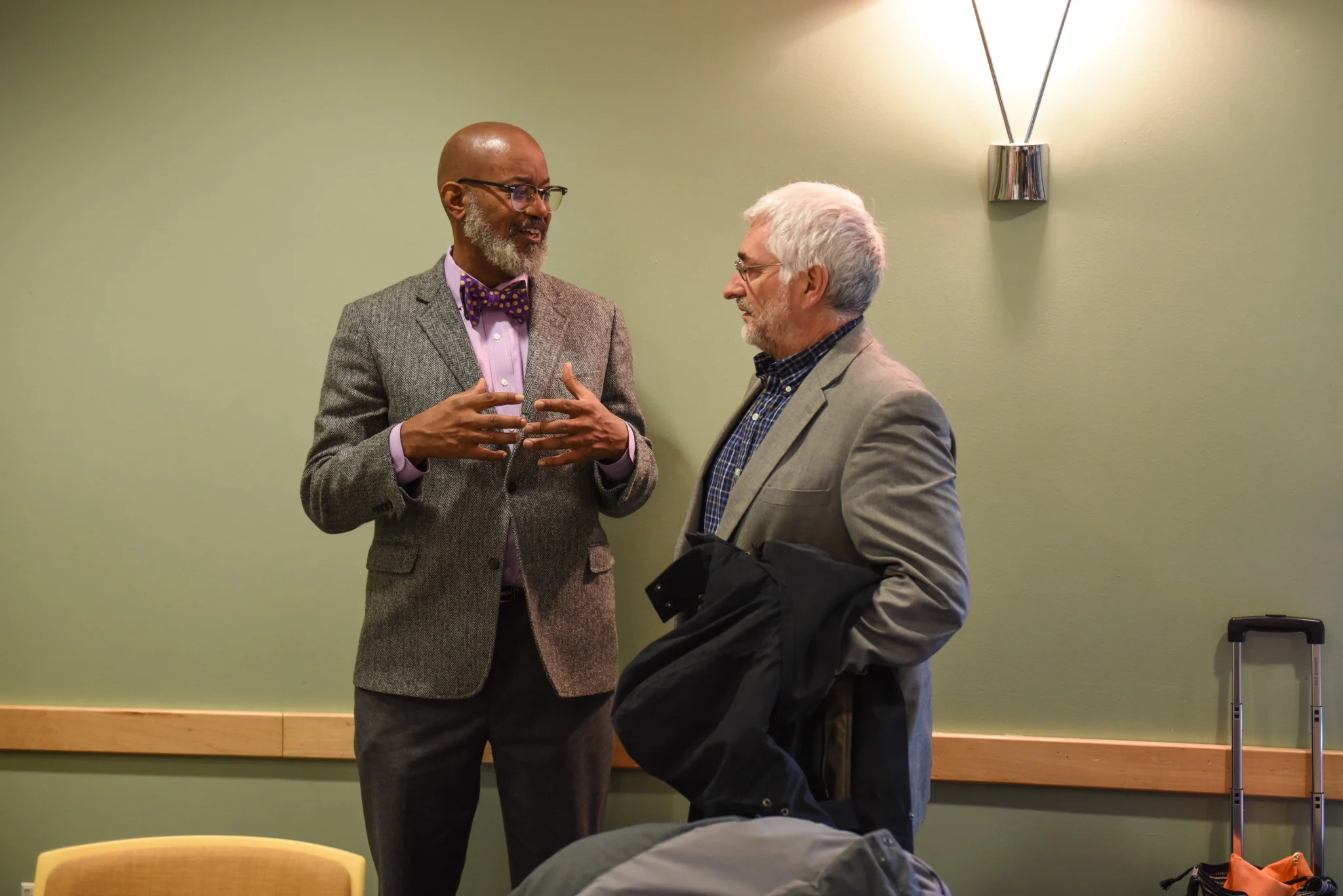
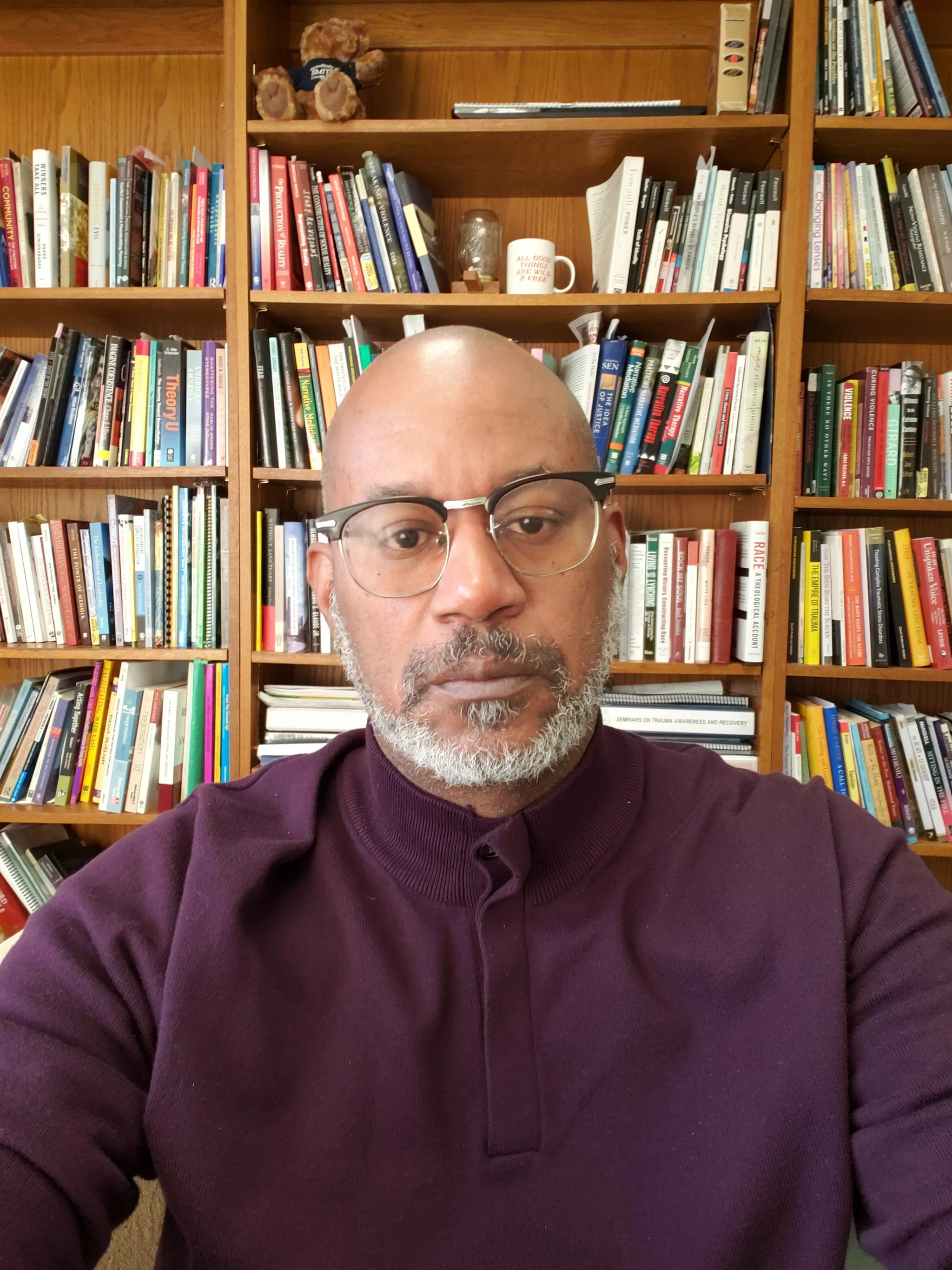
WE LISTEN
Before deciding what should happen, we listen for what is actually here.
What has been said?
What has not?
What keeps returning?
What is carried differently by different people?
What seems difficult to name?
Listening is not passive.
It is one of the ways we begin recognizing the narratives, relationships, histories, and possibilities shaping the moment.
WE DISCERN
We look for the difference between what is visible and what is organizing it.
The presenting issue matters.
But sometimes it is only the surface expression of something deeper.
Discernment asks:
What is this conflict, transition, tension, or possibility actually carrying?
What narratives are shaping what people believe can happen next?
What is being protected?
What wants to emerge?
And what kind of work would be appropriate now?
WE DESIGN
The approach follows what we have learned.
The work is not forced into a predetermined model.
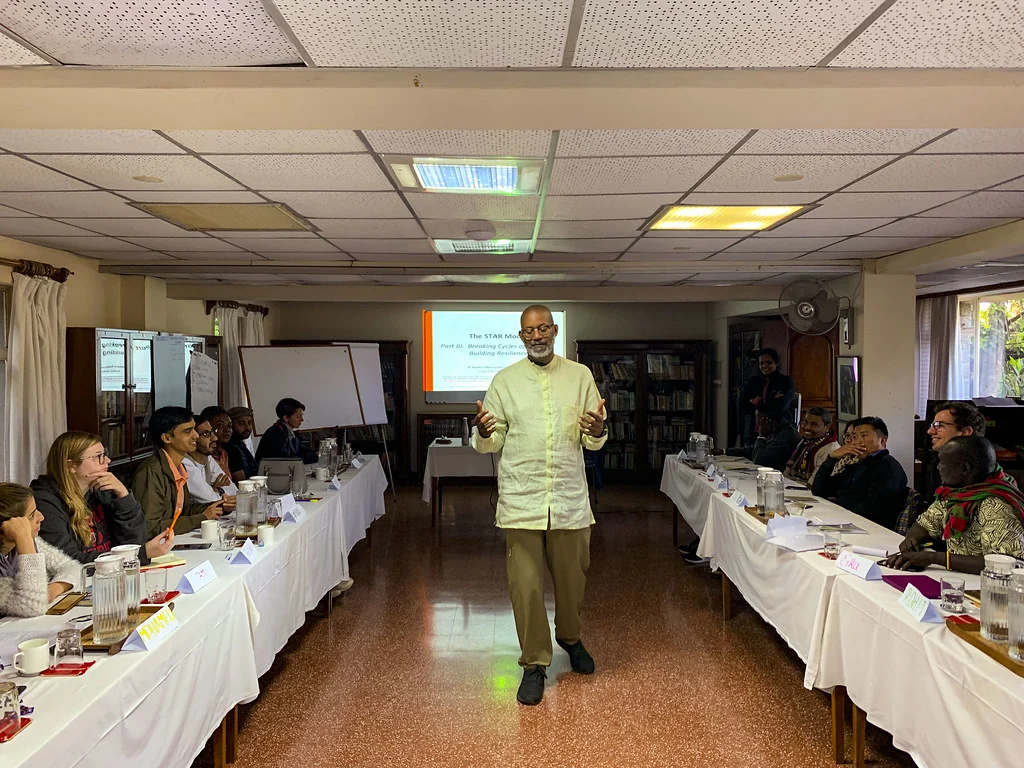
David draws from a wide body of practice and designs the process around what the moment requires.
That might mean one consequential conversation.
Or a longer process.
Or a small beginning that helps people understand what is possible before deciding what comes next.
WE BUILD
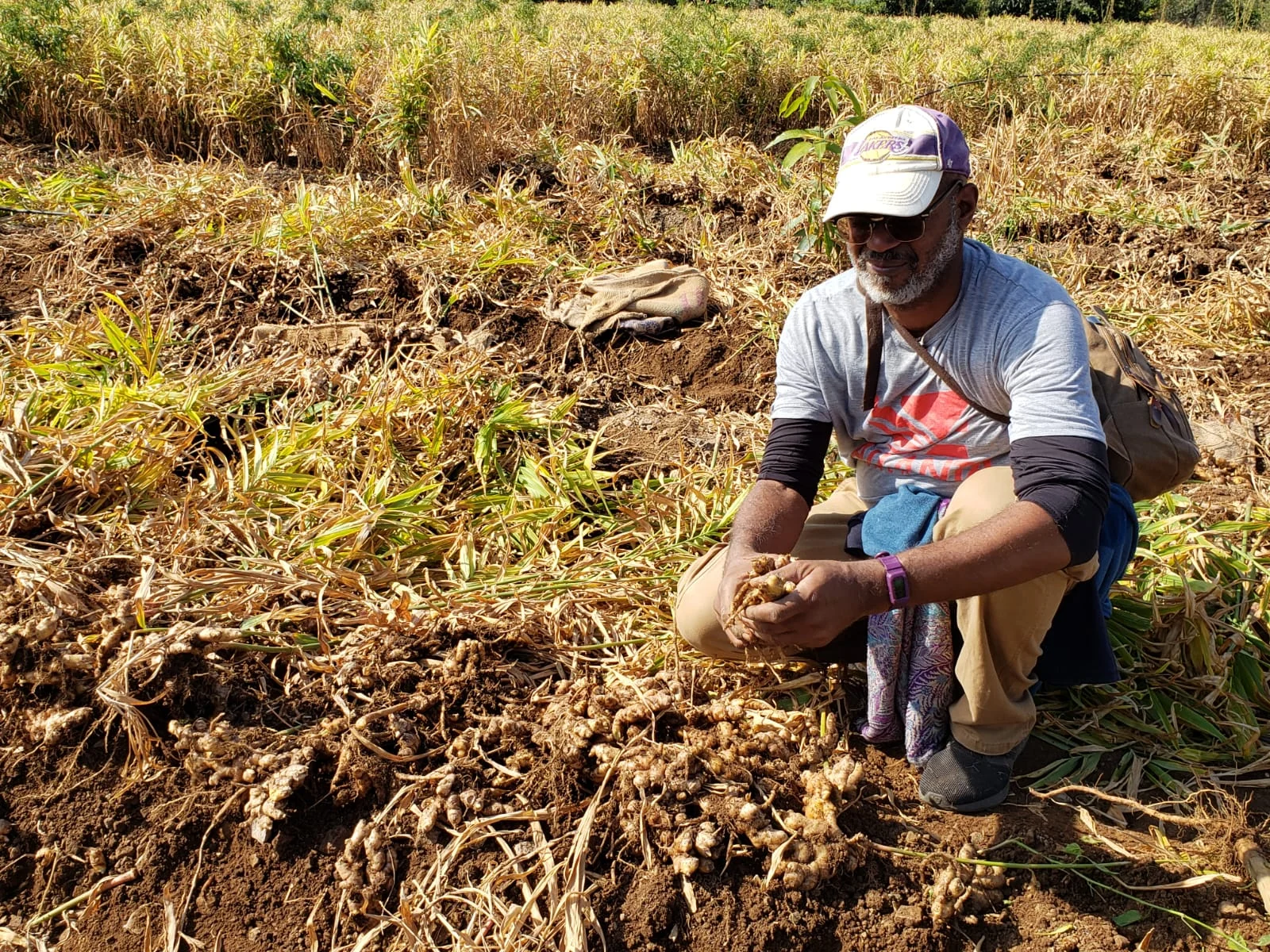
The work becomes real when people can begin inhabiting it.
Transformation is not only an insight.
It has to become something people can practice.
Through conversation, experimentation, reflection, learning, shared responsibility, and new ways of relating, a different future can begin moving from language into lived experience.
WHAT BECOMES POSSIBLE
The work does not erase conflict. It changes what becomes possible.
Every engagement is different.
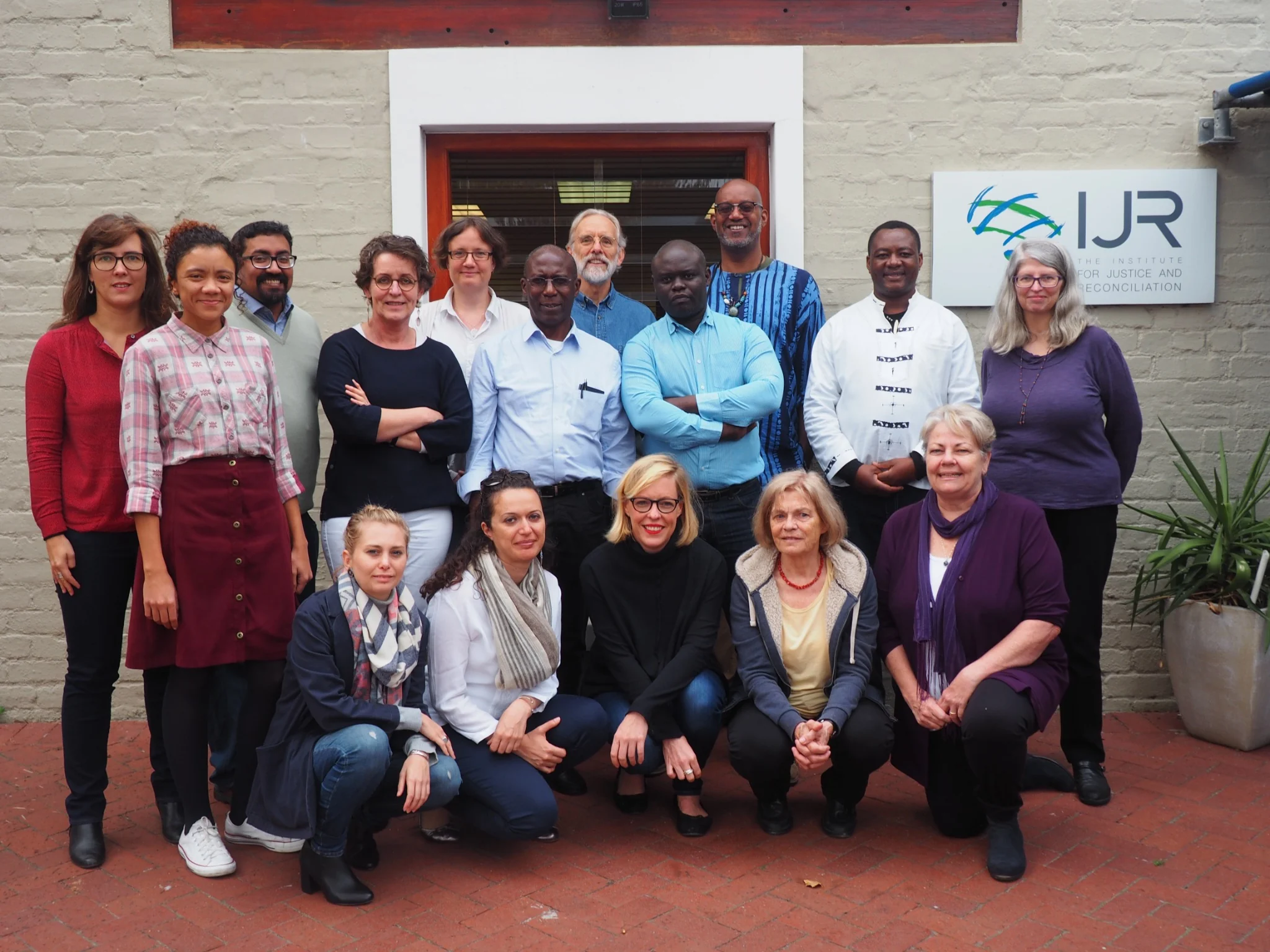
But depending on the context, the work may create conditions for:
language for what was previously difficult to name
greater capacity to understand why familiar interventions kept stalling
more truthful engagement with tension, difference, and history
clearer distinction between what must be released and what deserves to be carried forward
stronger relationships across difference
a deeper sense of belonging and meaningful participation
new forms of leadership, responsibility, and shared ownership
a future people can participate in rather than merely endorse
the possibility of shared flourishing
CounterStories does not promise a predetermined outcome.
The work creates conditions for movement that is more truthful, more participatory, and more durable.
PRACTICAL QUESTIONS
Before we begin.
Is this conflict management?
Sometimes conflict is part of the work. But I would not use conflict management as the container for all of it.
Managing conflict usually starts with the conflict already in front of us.
I am often interested in a different question:
What is the conflict revealing?
What histories, narratives, relationships, structures, values, or possibilities are trying to become visible through it?
And sometimes there is no obvious conflict at all.
The work may begin with transition, imagination, possibility, or a sense that something more is available than people have yet learned how to name.
We’ve already tried mediation. How is this different?
Mediation may have done exactly what it was asked to do.
The question is whether the dispute was the whole story.
Sometimes an issue can be resolved while the narratives, histories, relationships, or structures that helped produce it remain unchanged.
That does not mean mediation failed.
It may mean we are now being asked to work at another layer.
I may still draw from mediation as part of the process.
The difference is that I am also interested in what is shaping the horizon of possibility around the dispute.
Is CounterStories a DEI practice?
What if that question deserves a slightly higher bar?
If by DEI we mean a training program, compliance initiative, toolkit, or prescribed set of practices, then no — that is not what CounterStories is.
But many of the deeper aspirations behind the best DEI work matter deeply to me: belonging, dignity, meaningful participation, relationship across difference, and the possibility of sharing responsibility for what comes next.
So I would not describe CounterStories as a DEI practice.
I would say the work sometimes enters territory DEI was trying to help us reach — and asks what it would take to go deeper.
What if not everyone is ready to engage?
Readiness is rarely uniform.
People arrive with different histories, different levels of trust, different stakes, and different understandings of what is happening.
I do not expect everyone to begin in the same place.
Part of the work is understanding what kind of participation is possible now, what conditions may need to change, and where enough readiness exists to begin.
Sometimes the next step is not a large engagement.
Sometimes it is a smaller conversation that helps us understand what the moment can currently hold.
This sounds conceptual. What does the work actually look like?
It depends — but “it depends” does not mean there is no discipline behind it.
The work might include interviews, listening sessions, facilitated conversations, leadership advisory, mediation, workshops, embodied exercises, narrative inquiry, analysis, teaching, convenings, restorative practices, or approaches drawn from other traditions I have learned, developed, adapted, and refined over decades.
The design changes because the context changes.
The depth behind the design does not.
What if we do not yet have language for what is happening?
Then that may be exactly where we begin.
You do not need to arrive with a diagnosis.
Sometimes the first useful thing we can do together is slow down long enough to notice what keeps surfacing, what people are experiencing differently, what has been difficult to name, and what the current language may be preventing us from seeing.
Language does not simply describe what is happening.
Sometimes changing the language changes what becomes possible.
Do we need to be in crisis before bringing you in?
No. I would rather crisis not become the only invitation.
Sometimes people call because something has become painful or difficult.
Other times there is no crisis at all.
There may be a transition.
A new possibility.
A question about what comes next.
A sense that people are capable of something they have not yet learned how to do together.
Conflict can invite the work.
So can possibility.
WHEN THE WORK TAKES FORM
Different moments require different kinds of engagement.
Some situations call for one consequential gathering.
Others require accompaniment over time.
Some call for private advisory work.
Some for learning, capacity building, speaking, or a smaller beginning.
The next question is not:
Which package do we need?
It is:
EXPLORE WAYS TO WORK WITH DAVID →What is this moment asking for?
LET’S BEGIN
What is this moment asking of you?
A problem does not have to be fully named.
A possibility does not have to be fully formed.
If something needs attention — or something feels ready to become possible — tell David what you are noticing.
That is enough to begin.
START A CONVERSATION →