SPEAKING
Some conversations change what a room believes is possible.
David brings four decades of work across narrative, transformation, leadership, justice, community, mediation, faith, public life, and institutional change into conversations designed to do more than inform.
His speaking invites people to examine the narratives shaping what they can currently see — and to consider what else may be possible.
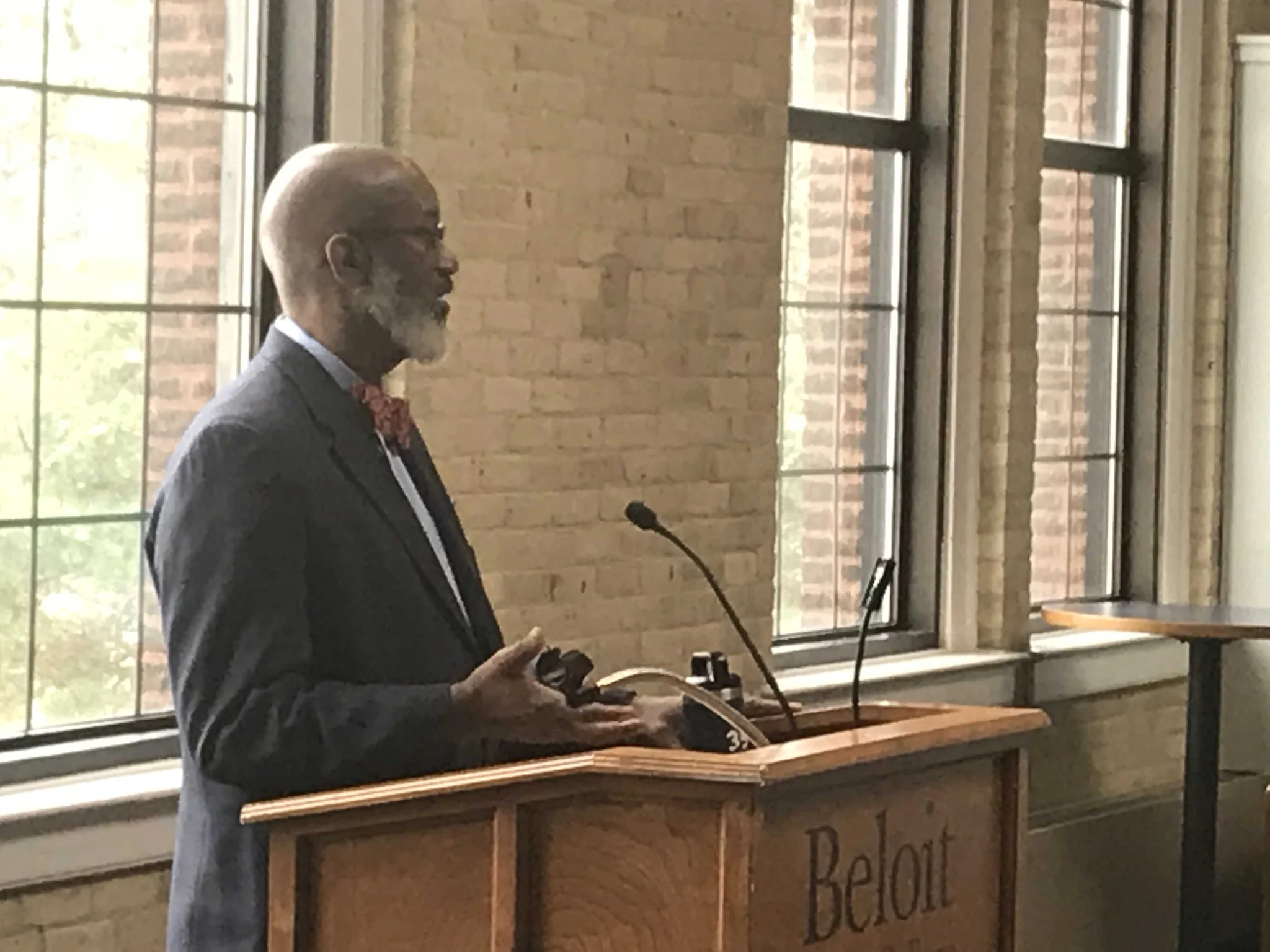
David does not arrive simply to deliver a message.
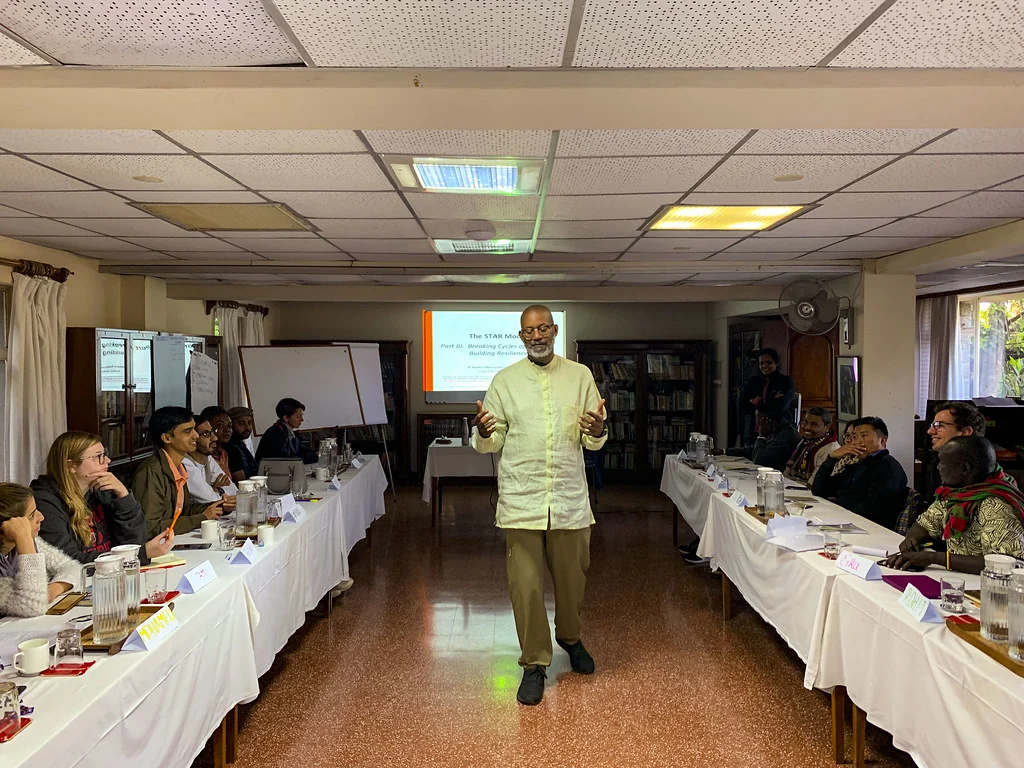
He enters a room to help people see differently.
A keynote can name what people have been experiencing but have not yet found language for.
A workshop can create space to examine an idea together.
A conversation can become the beginning of something larger.
David approaches each room with attention to the people in it, the moment they are in, and what the conversation may need to make possible.
The audience is not simply there to receive an idea.
They are part of what gives the idea life.
SIGNATURE KEYNOTES + WORKSHOPS
Different rooms call for different conversations.
Speaking topics can be shaped around the audience, context, and questions already present in the room.
Mediation as a Tool for Long-Term Systems Change
What becomes possible when mediation is understood not only as a way to resolve disputes, but as one practice within a larger process of transformation?
Narrative Healing: Addressing Historic Harms Through Story
How do the narratives people inherit continue shaping identity, relationship, memory, and possibility — and what can happen when those narratives are engaged differently?
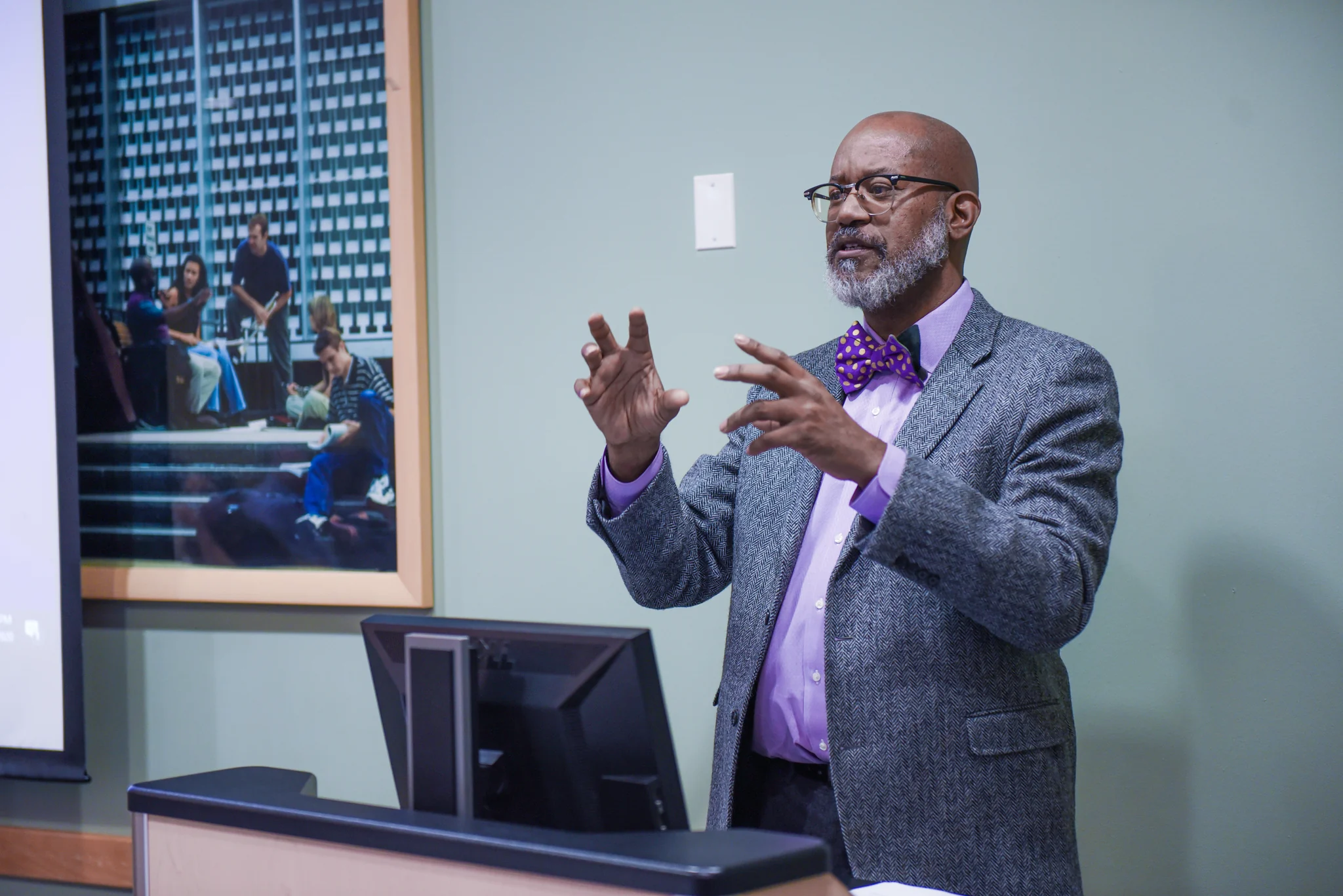
Transformative Leadership in Times of Crisis
How can leaders hold complexity, consequence, uncertainty, and possibility without reducing difficult moments to problems that simply need to be managed?
Spiritual Grounding for Social Impact Work
What sustains people whose work continually asks them to encounter harm, resistance, responsibility, and the limits of what they can control?
The Intersection of Environmental Justice and Racial Equity
What becomes visible when environmental questions are understood alongside histories of race, place, power, memory, and belonging?
Narrative, Possibility & the Futures We Build
How do the narratives beneath our decisions shape what we believe can happen next — and what becomes possible when those narratives begin to change?
Every engagement begins with the room, the people in it, and what the moment requires.
Every engagement begins with the room.
Who is here?
What has brought them together?
What are they already carrying?
What question is alive in this moment?
What might this room be ready to hear, examine, or imagine together?
The subject matters.
So does the context in which people encounter it.
The range of the room
From sanctuaries to classrooms.
From community rooms to institutions.
From local questions to global ones.
David has spoken across academic, public, philanthropic, community, faith-based, justice, leadership, and international settings.
The rooms change.
The invitation remains similar:
to listen more deeply, question familiar narratives, and create enough space for another possibility to become visible.
Watch + listen
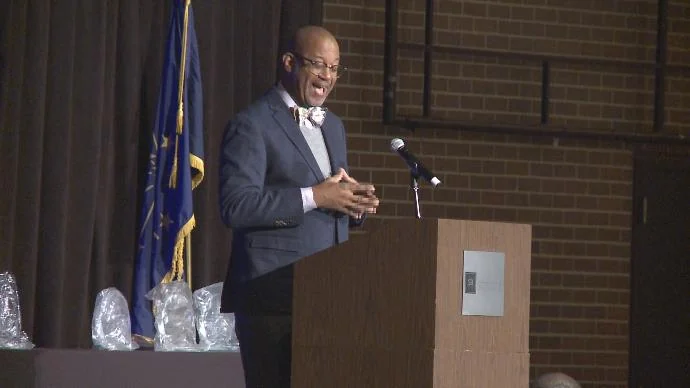
Some things are better experienced than explained.
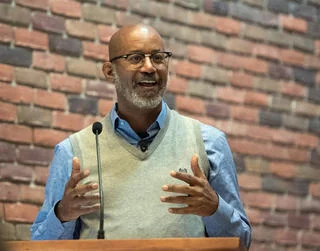
Selected talks, conversations, interviews, and reflections will live here as David’s video library continues to grow.
Rather than describing what it is like to encounter David’s thinking in a room, this section should eventually allow visitors to experience it directly.
WATCH + LISTEN →
The conversation does not have to end when the room empties.
A speaking engagement can stand entirely on its own.
Sometimes that is exactly what it should do.
Other times, a conversation surfaces questions, possibilities, or needs that people want to continue exploring together.
A talk may lead to a workshop.
A workshop may create an opening for deeper listening.
A conversation may reveal that something else is asking to happen.
There is no expectation that speaking must become consulting.
The work can continue only when the moment calls for it.
EXPLORE STORIES FROM THE WORK →BRING DAVID INTO THE CONVERSATION
What does your room
need to talk about?
You do not need to arrive with a finished keynote title or a perfectly defined request.
Start with the people who will be in the room.
The moment they are in.
The questions they are carrying.
And what you hope might become possible because they gathered.
START A SPEAKING CONVERSATION →